
The roots of modern Freemasonry are the subject of speculation although the consensus is that they lie with the medieval stonemasons who built our castles and cathedrals. Their purpose is to promote charity, brotherly love and personal development focusing on the core principles of integrity, friendship, respect and charity.

History of Freemasonry

Members meet in local lodges, which are overseen by independent Grand Lodges; they use tools of ancient stonemasons (e.g., the square and compasses) to teach moral and ethical lessons.

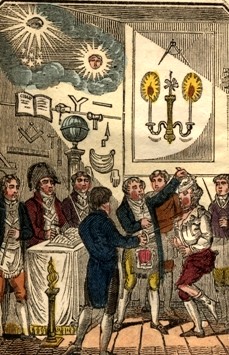
After the decline in cathedral building, some lodges began to accept honorary members to boost declining membership. From the seventeenth and eighteenth centuries they adopted the rites and symbols of ancient religious and chivalric brotherhoods. Members advance through three levels: Entered Apprentice, Fellowcraft, and Master Mason. While often considered a "secret society," modern Freemasonry is more accurately described as a society with secrets.

The history of Freemasonry in England began with the formation of the world's first Grand Lodge in June 171, when four London lodges met at the Goose and Gridiron tavern. The fraternity transitioned into a "speculative" society in the seventeenth century. The movement spread rapidly and in 1751, a rival grand lodge was formed, calling itself "The Antients" and referring to the original 1717 body as "The Moderns". but the modern United Grand Lodge of England was not established until 1813.

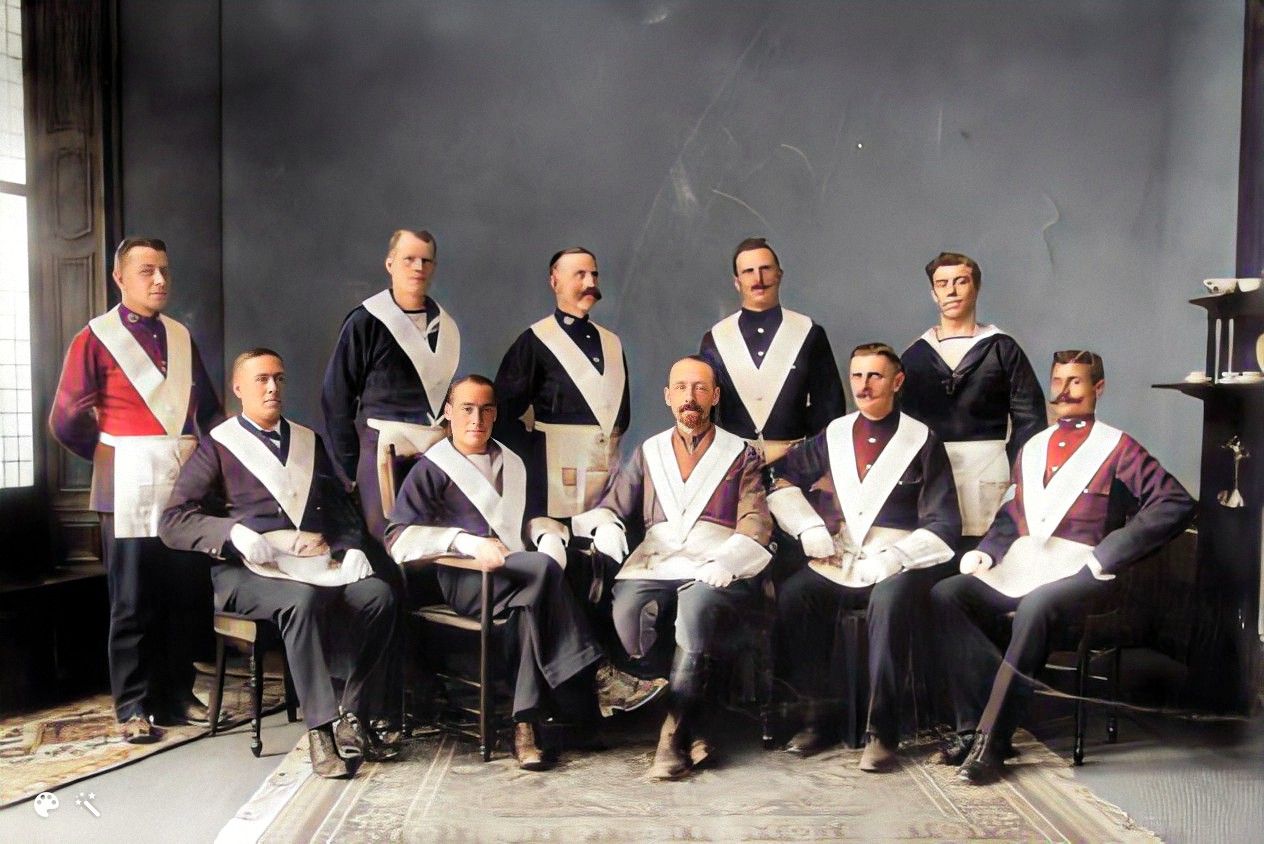
Modern Freemasonry began in the eighteenth century when a number of fraternal organisations were formed. It is more than likely that many of us will come across freemasons within the first four generations of our family history as more than half the population belonged to either a friendly or fraternal society.

Initially Freemasons met in coffee houses and taverns but later built their own masonic halls and temples. The Freemasons shared values through ritual ceremonies using symbolism. From 1799 to 1965, this meant that the organisation was subject to the Unlawful Societies Act, which forced registration of members for local Quarter Sessions.
Finding Freemasons in your family

If your relative was a freemason then there is a record of their masonic life.

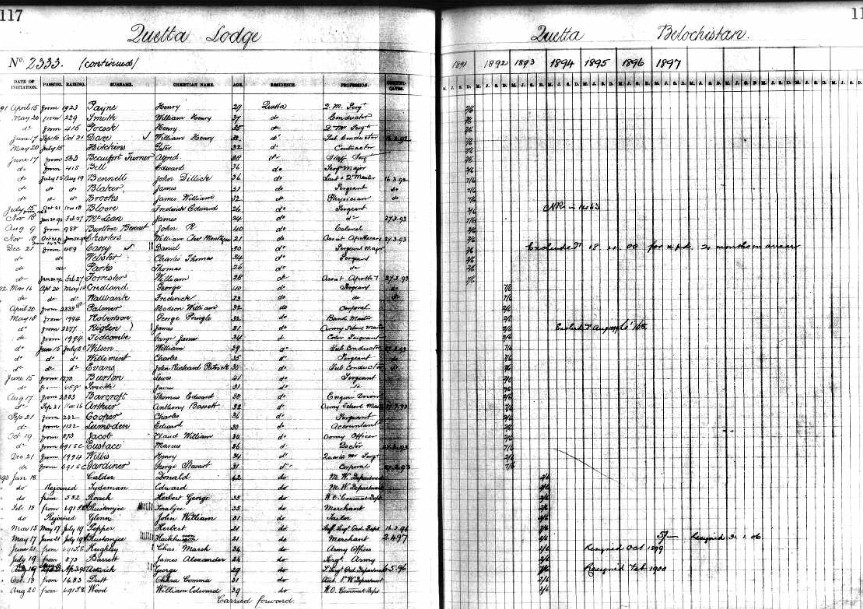
Membership registers

The first step is to find their name in the membership registers. To do this, you can use the United Grand Lodge of England records available on ancestry.co.uk There are around 1.7 million membership records covering the period 1751 to 1921.

Since 1768, each Masonic lodge has been obliged to submit an annual return, a list of its members to the Grand Lodge. These returns are used to compile the membership registers, described as Contribution Books.

Registers are also available from lodges in Wales, Northern Ireland and several countries overseas such as Canada, Australia, India and South Africa. The lodges are listed in numerical order within a register and the registers are arranged in sequences or series.

The following details are recorded in membership registers:

The name, number, and location of the lodge(s) a member joined.

Date of Initiation, Passing, and Raising which are the dates a member passed through the three craft degrees.

Personal information including surname, first and sometimes middle forenames, age at initiation, address, and occupation.

Membership Duration includes years for which membership fees were paid, when a member joined, and when they left, along with potential reasons for leaving.

Codes may indicate if a member received assistance from a masonic charity.

If your ancestor became a member after 1921, then the Museum of Freemasonry in London offers a fee-paying search service to try and locate the member.

Other resources for tracing members

If you have any paperwork or ephemera that belonged to your relative in your family archive and are unsure what they are, then the Museum of Freemasonry may be able to help by interpreting their significance and may be able to make further connections that will enhance your understanding of your ancestor’s freemason career.

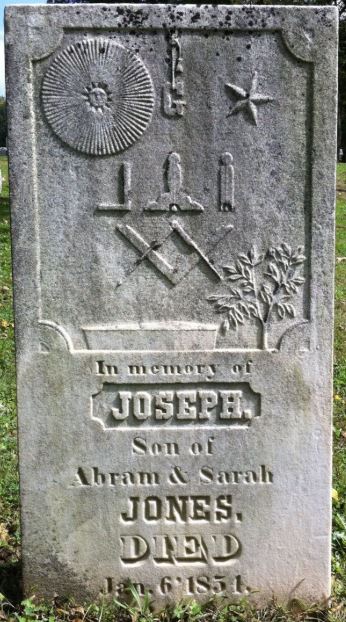
Discovering Freemasons in your family history may also involves searching membership details held by local lodges and searching for Masonic symbols on cemetery gravestones or in newspaper obituaries. If you know the area where your ancestor lived contact the local lodge secretary. records, including petitions for membership which often list personal details.

Certificates and jewellery in family collections are another resource.

Check the "Who's Who in Freemasonry" Directories some of which are digitised, for example the 1913–1914 edition is available on TheGenealogist.co.uk.

Newspaper obituaries frequently mention membership in fraternal organizations like the Freemasons, the Oddfellows, or similar societies.

The main sources of historical information when researching the history of a lodge or chapter are the minute books. These are usually looked after by the secretary of the lodge.


Freemasons in graveyards

While Masonic symbols are common in many private and municipal cemeteries, their inclusion on graves in Church of England churchyards can be subject to local clergy approval and legal scrutiny regarding appropriateness.

The common masonic symbols found on English gravestones are:

Square and Compasses: The most prominent symbol, often with the letter 'G' in the centre, representing faith, reason and virtue.

All-Seeing Eye: A pyramid with an eye, representing divine watchfulness.

Plumb Bobs and Levels: Representing integrity and equality.

Masonic Handshake: A symbol of recognition.

Columns: Representing supports of life.

Freemason in Quarter Sessions Records

County record offices hold local Freemason records due mainly to the persecution of Freemasonry which resulted in the Unlawful Societies Act, effective between 1799 and 1965; however in its later years, it was ignored.

However, the Act required Freemasons to register their organisations and also the names of the members with the Local Quarter Sessions which is another resource enabling family historians to find information about Freemasons.

These records can include:

  • names
  • ages
  • addresses
  • accupations
  • date of joining the lodge and sometimes date of leaving.

Lane’s Masonic records

In many instances if you have read something about an ancestor who was a Freemason, a lodge name and number will be shown which may seem slightly confusing to the uninitiated so refer to Lane's Masonic Records

The originator, John Lane, spent most of his life working as an accountant. He joined Jordan Lodge in Torquay in 1878 and developed a fascination of the history of the lodges in England. He located every record he could find and produced a definitive listing up to 1894.

Lane used both published and unpublished information including:

  • Grand Lodge registers and minutes
  • Grand Lodge proceedings
  • Warrants and warrant books
  • Lists, calendars, histories and lodge minutes.
  •  

Lane joined the Quatuor Coronati Lodge, which is the most important lodge for researching Freemasonry. Researching the history of Freemasonry become popular so creating resources for researchers became his key aim.

Lane’s Masonic Records 1717-1894 remains an authoritative listing of all the lodges and was published by the United Grand Lodge of England in 1895. It enables the early history of Freemasonry in a particular place to be easily traced and provides information about individual lodges.

In 2003 the Museum of Freemasonry put the database online and started work to update the records for lodges in the twentieth and twenty-first century in conjunction with Sheffield University. The database enables you find lodges by name, number and location including their meeting places. It includes a wide range of sources that may be a challenge to locate without reference to the database.

This article was contributed by Ian Waller from Family History Federation.
Website by Beachshore