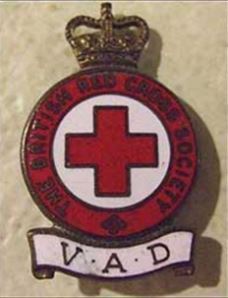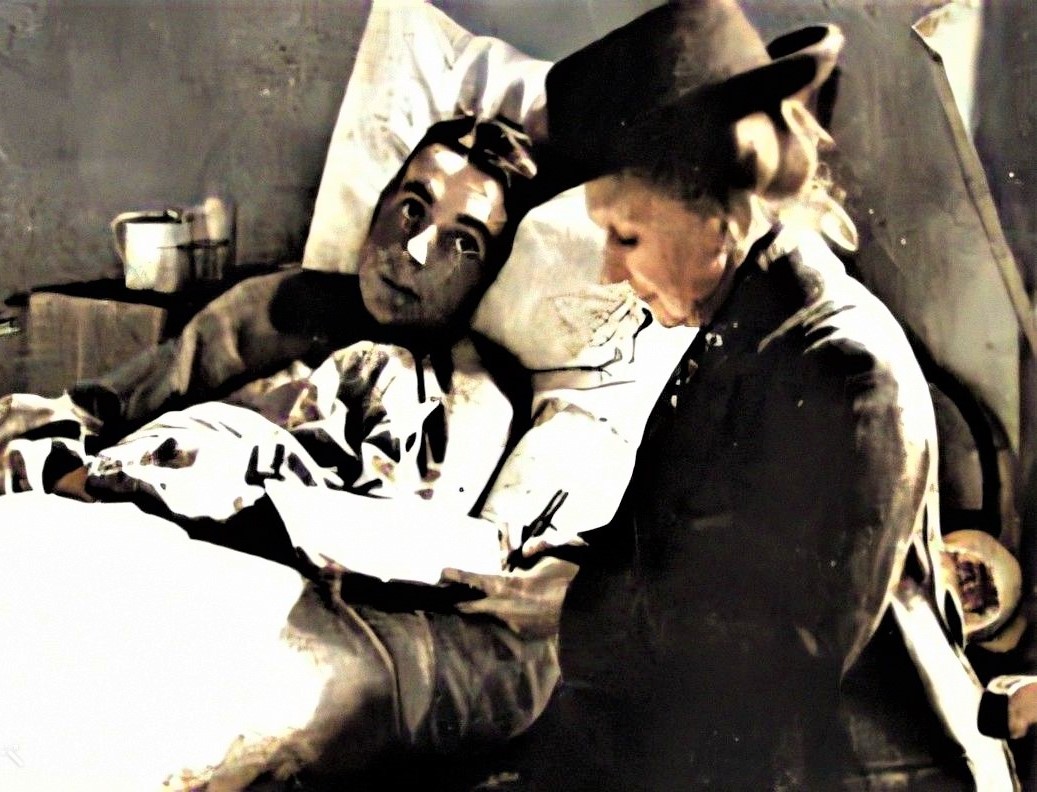

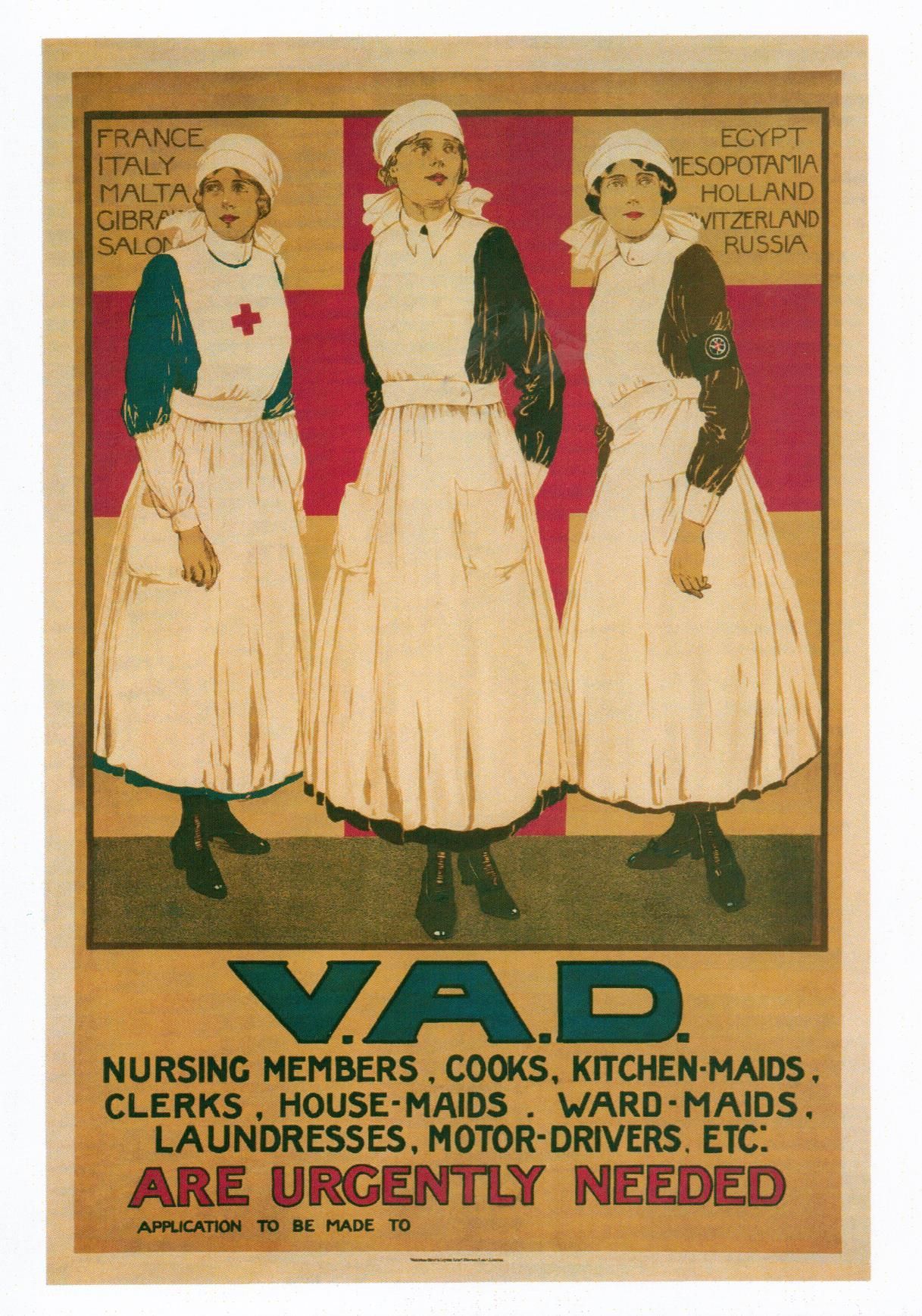
Volunteers in the Voluntary Aid Detachment (VAD) were among the thousands who served during both World Wars, both at home and overseas. These volunteers were civilians providing nursing care for military personnel and the most important periods of operation for these units were during World War I and World War II. 

In addition to VADs, there were other organisations helping the war effort.  Civilians could serve in the First Aid Nursing Yeomanry (FANY), Friends' Ambulance Unit (FAU), the Civil Nursing Reserve and the Territorial Force Nursing Service. Although involved in the war effort, these people were civilians and not military personnel.

Military medical units did exist: the Queen Alexandra's Royal Army Nursing Corps, the Princess Mary's Royal Air Force Nursing Service, and the Queen Alexandra's Royal Naval Nursing Service.  

  1. 1

    Approximately 90,000 volunteers worked at home and abroad during the First World War.

  2. 2

    VADs comprised vital personnel caring for sick and wounded soldiers and sailors. Many nurses worked in field hospitals, close to the battlefields. 

  3. 3

    Both men and women served in nursing, transport, rest stations and auxiliary hospitals. They also worked in establishments of recuperation back in Britain.

  4. 4

    Female roles included first aid, home nursing and hygeine and cookery.

  5. 5

    Male roles included first aid in the field and stretcher bearing.

  6. 6

    All VADs had to pass exams to receive their first aid and home nursing certificates.

World War One service

As well as serving at home, VADs were sent abroad  to France, Italy and Russia. 

One of their important tasks was to make essential hospital supplies such as bandages, splints, swabs and clothing.

At transport hubs like railway stations, VADs provided food and supplies for soldiers who, having arrived by ambulance train, were waiting to be transported to local hospitals. 

VADs  also served on the hospital trains in France which carried 461,844 patients during the war; they also served on hospital ships and barges when they were used to transport patients. 

VADs were also required for air raid duty in London.
  

World War Two service

Service during WWII was more extensive than in WWI, mainly because actual war came to Britain, mainly from the air. Many people were displaced by the Blitz, a nine-month period of exceptionally heavy bombing in London and other cities, and these people needed support.

From village halls to private mansions, all types of buildings were used as recovery homes and places of additional support for hospitals. These were usually staffed by VADs.

Tasks concerned with the repatriation of prisoners of war and welfare services for disabled former service men and women were also done by VADs and other charitable organisations. 

So, whether at home or abroad, VADs cared for the sick and wounded, prisoners of war and civilians needing relief.

Finding wounded and missing family

Families back home in Britain must have been constantly on tenterhooks waiting for letters from their men, wherever they were serving on duty. Inevitably there were times when service personnel were wounded or reported missing. 

The families would worry; were they still alive...were they wounded...which hospital were they in...had they been taken prisoner? All these questions needed answers.  It was the VADs operating the search service in hospitals who tried to find the answers. They would speak with patients about men who had been reported missing to try and build up a picture of what had happened to them in the hope that they could be found.

VADs would also write letters for wounded servicemen at home and abroad. 

Hostels for relatives of servicemen were also run by VADs.   

Red Cross VAD records.

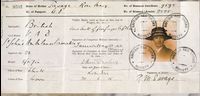
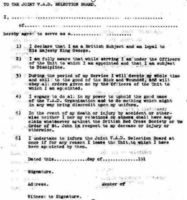
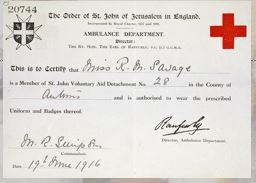
The Red Cross holds the records of service for VAD personnel. This is their website: https://vad.redcross.org.uk/Search

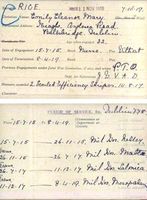
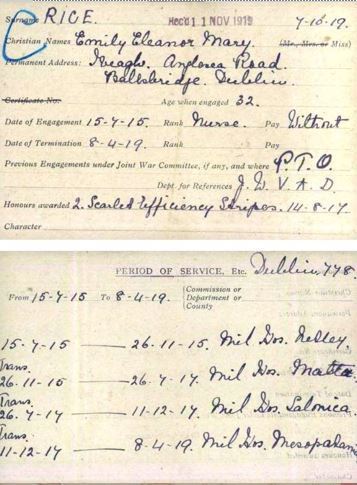
The Red Cross VADS Service Database can be searched by name and the result provides the follwoing information:

Name

Address

Service period

Hopsital attched to (if applicable)

Rank on engagement and termination

Honours awarded

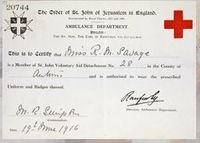
It also enable a researcher to view service documentation for their ancestor. 

The website is well worth a visit and the service is free to access and use;  however, please consider a donation to help the organisation continue its valuable service.


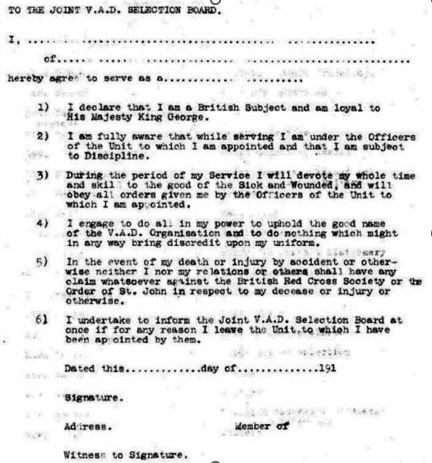
The following images of service records show examples of the actual service records which can be located using the above Red Cross website.

How do volunteers help?

Volunteers are always needed, and never more so than when your own country is at war. The people who served in the VAD during WWI and WWII, at home and abroad, provided an valuable service. These people were just ordinary civilians who wanted to help, to do their bit for their country. And my goodness, didn't they just!  Their dedication and commitment was second to none! We should be proud of all our volunteers, even today, and we must never take them for granted.

This article was contributed by Ian Waller from Family History Federation.
Website by Beachshore