We will remember them

We are all familiar with the traditional Remembrance Service at the cenotaph every November. It behoves us all to remember those who died serving their country. Servicemen who made the ultimate sacrifice are buried in a variety of places; we have all seen those photographs of war cemeteries in Belgium and nothern France...rows and rows of men buried and commemorated by a gravestone. But some were buried in other places and you may even see military graves in your own local churchyard. This article is about Commonweath War Graves. 

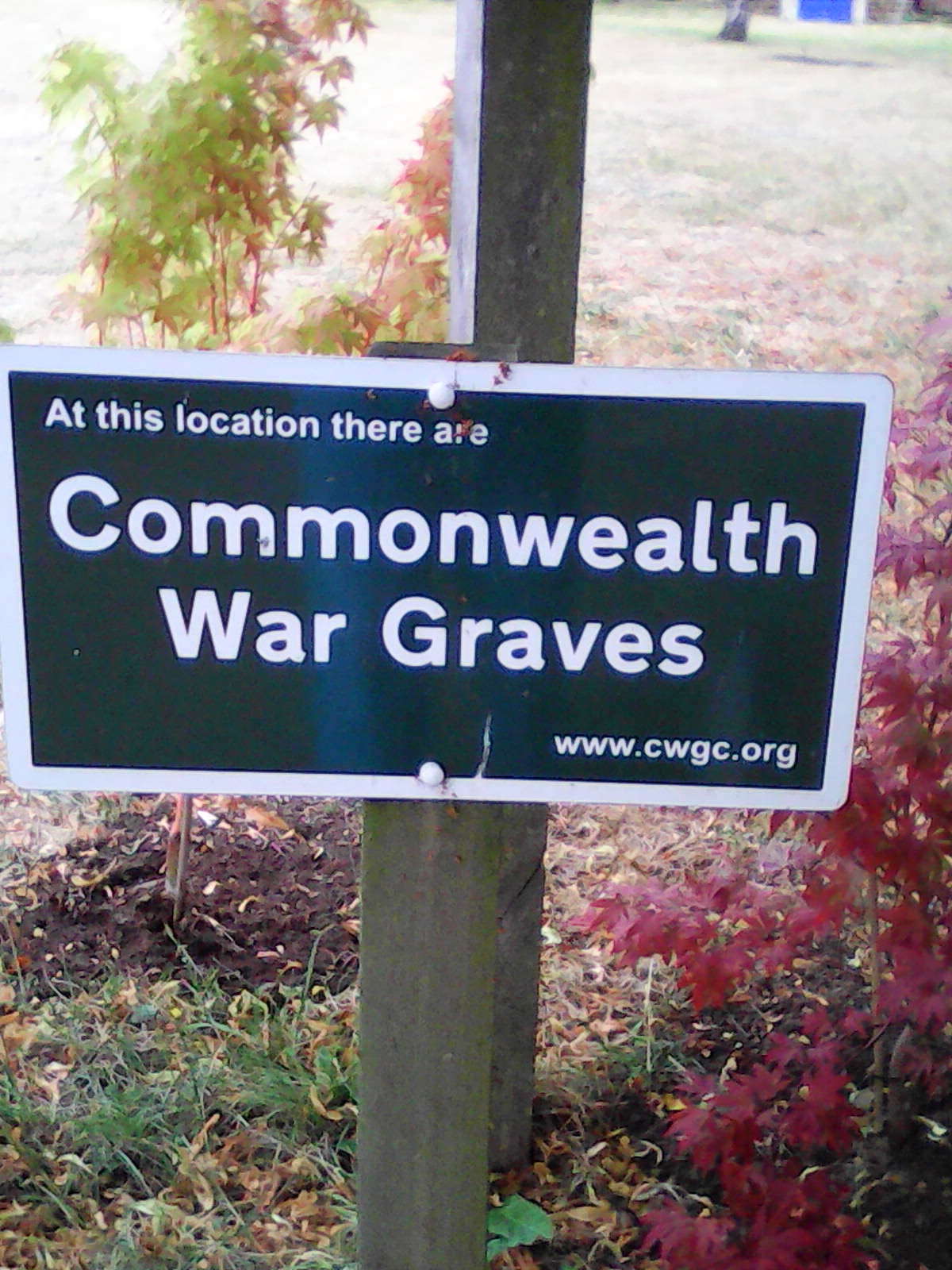
Have you seen one of these signs and wondered what they are all about?

These signs can often be found at the entrance to local churchyards and cemeteries but the lack of a sign does not mean there are no war graves located there.

The UK-based families of those who died in the UK were able to lay their relatives to rest where they wished, unlike the men and women lost overseas.

There are over 170,000 Commonwealth War Graves around the UK.

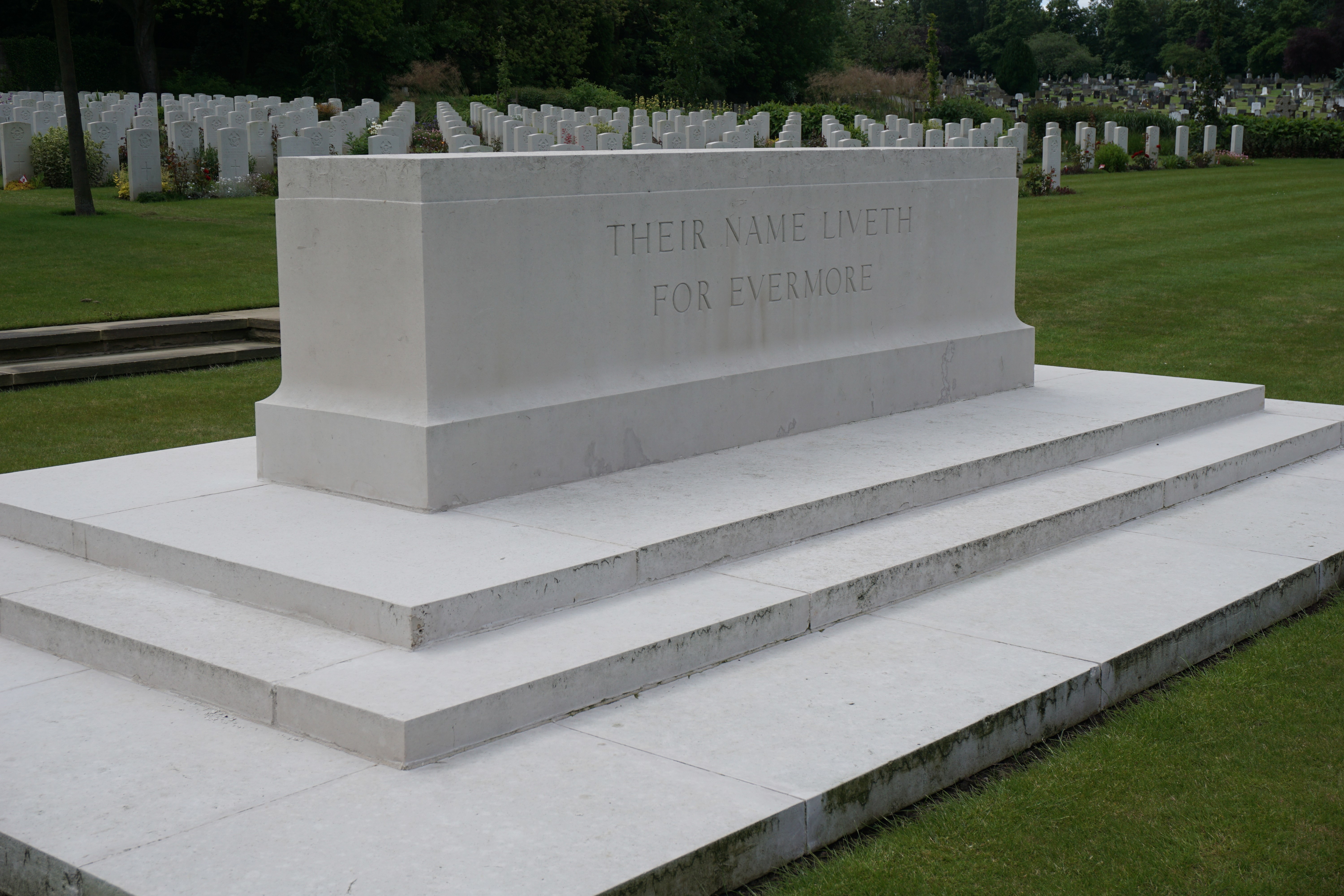
Their Name Liveth for Evermore

The original work that was to culminate in the extensive war graves cemeteries in France, Belgium and elsewhere in the world - and their counterparts at places such as Brookswood and Stonefall in the UK - began early in WW1 under the auspices of Fabian Ware, and on 21 May 1917 the Imperial War Graves Commission was established by royal charter.

But it is not just in these big locations that one can find war graves; there are probably some in your local graveyard or cemetery, so read on to find out more.

Dates on memorials

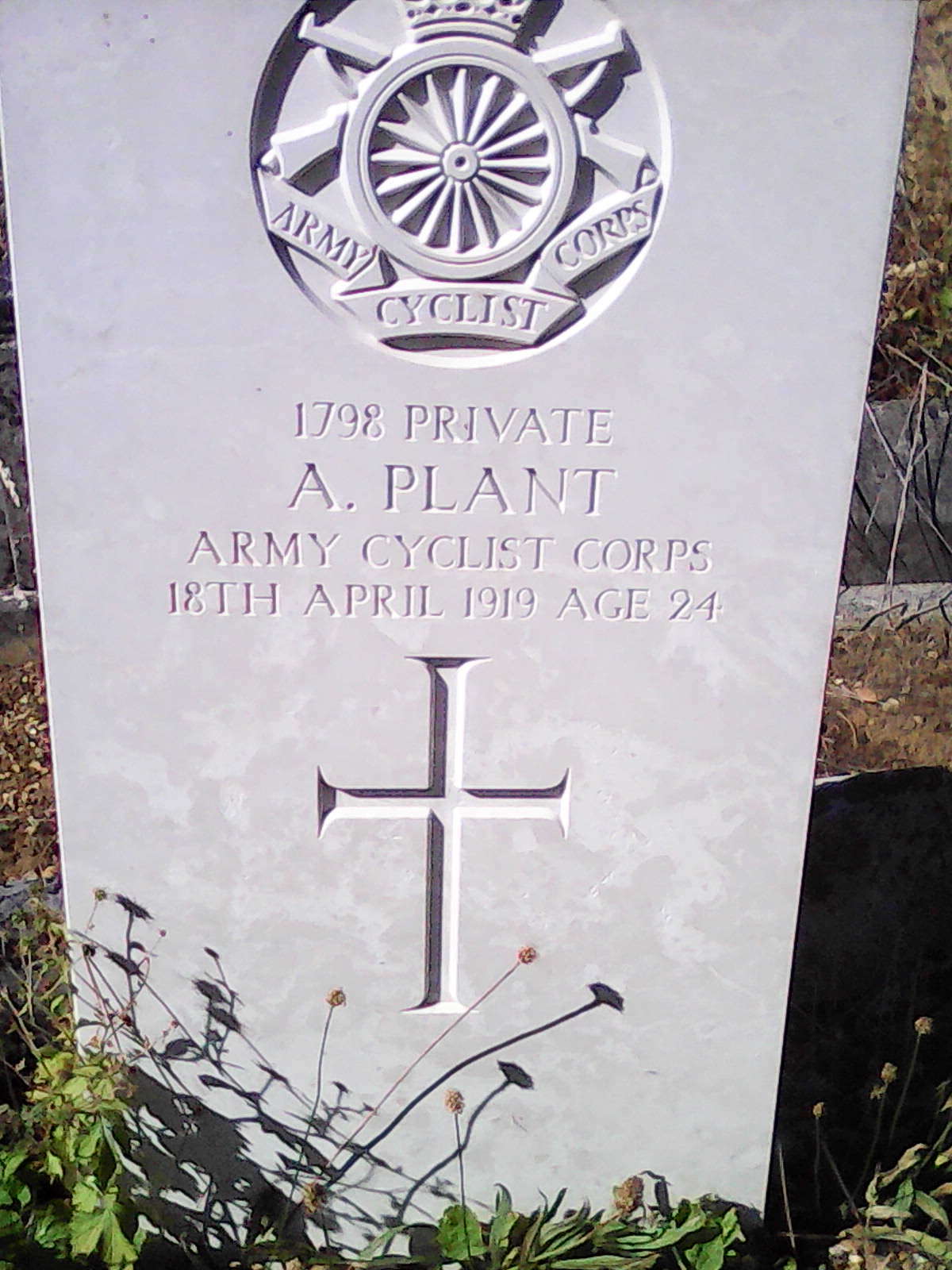
You may think that the Great War ended on 11th November 1918 but that was merely the date the armistice agreement was signed with the enemies. The Treaty of Versailles wasn’t signed until 28th June 1919. The demobilisation of British, colonial and imperial troops was not completed until 1920, and during that time fighting was still going on in par ts of the world. Therefore, deaths and further war-related deaths occurred during the 1920s so the dates on some of the stones may surprise you.

Likewise, memorials to Second World War casualties with dates of death after 1945 can be found.

Not all headstones commemorate known individuals

Thousands died on land, at sea and in the air; the largest concentrations of deaths would have been on land as long battles were fought over a number of days. Collecting and naming the dead must have been an awful task and many of those who died could not be indentified.

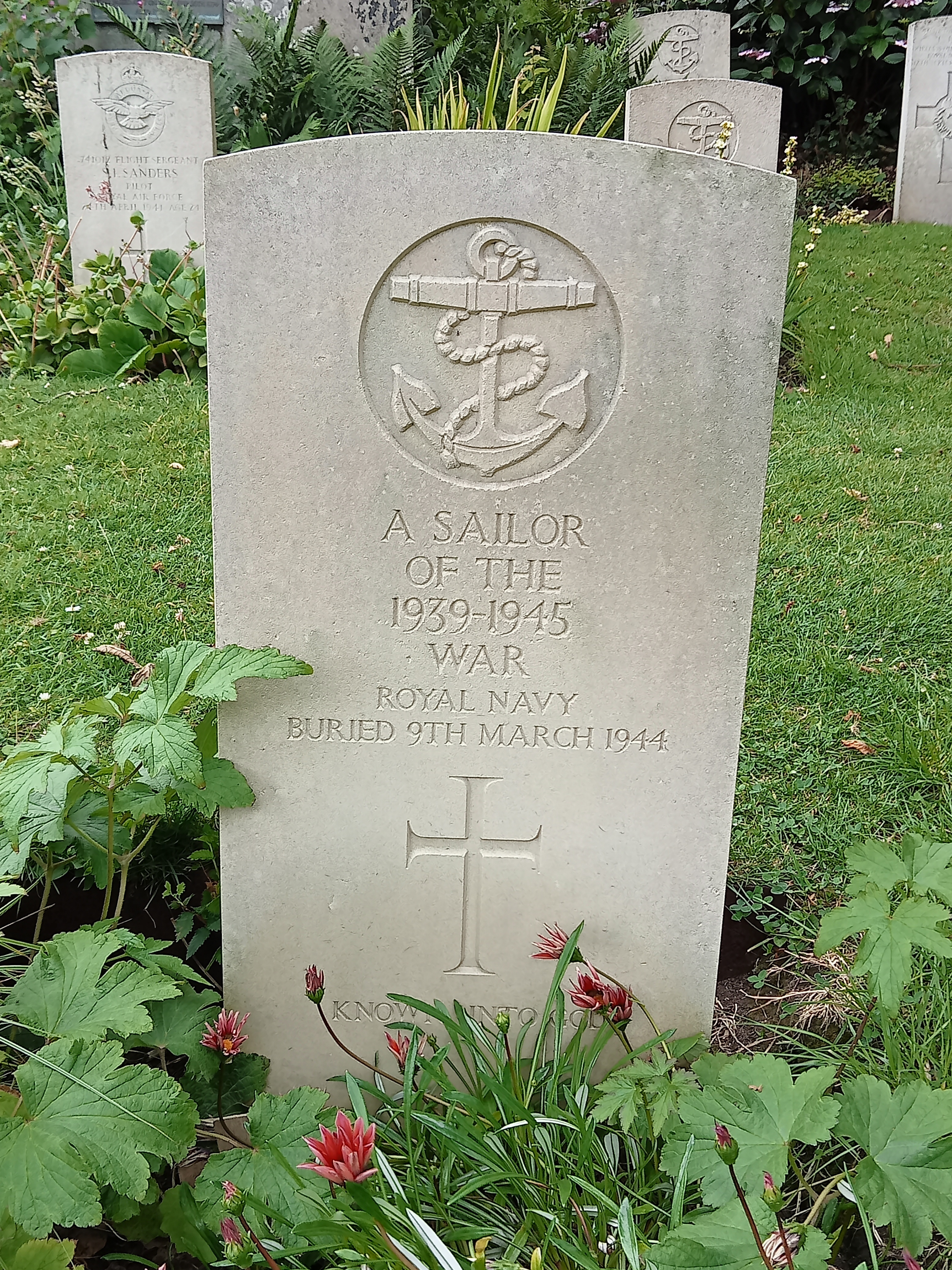
This headstone remembers an unknown sailor; it is on the Isles of Scilly. 

Note the nautical design of the crest and the cross, the assumption being made that the sailor was a Christian.

Not all headstones are for British casualties

This headstone in Stonefall cemetery  commemorates Kenneth Frank Whitehouse who was in the Canadian Air Force. He is commemorated together with other Canadians who were killed when their plane crashed.

There are also headstones to individuals from other places such as Australia and New Zealand here.

The information on the headstone

Commonwealth grave headstones follow a set layout; a decision was taken at a very early stage that all of the fallen should be treated equally, whether they were officer or other ranks.

https://www.cwgc.org/who-we-are/our-story/equality-in-commemoration/

At the top is typically a regimental crest or badge - for example, Army Cyclist Corps, Royal Canadian Air Force or Royal Navy.

This is followed by the service number and rank of the deceased.

Then we see the initials, the family name follwed by the Regiment, date of death and age.

Below this may be a religious symbol such as a Christian cross or the Star of David.

Finally there may be a personal inscription chosen by the family. 

https://www.cwgc.org/our-work/blog/written-in-stone-exploring-different-cwgc-headstones/

Private memorials

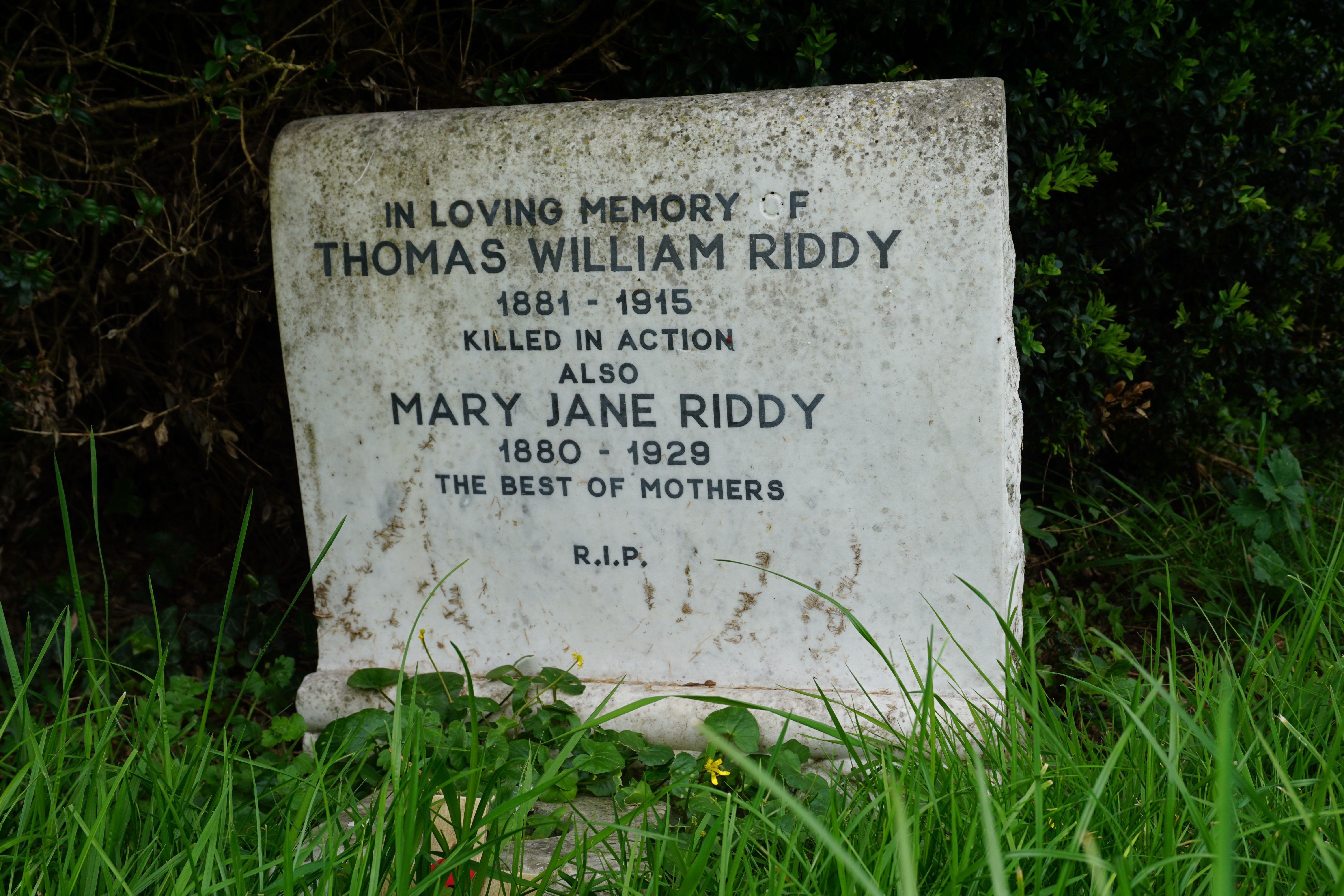
As well as the CWGC headstones you may find private memorials. In keeping with Their name liveth for evermore, if the name on the stone becomes unreadable, a standard CWGC headstone will be commissioned and erected.

Large cemeteries

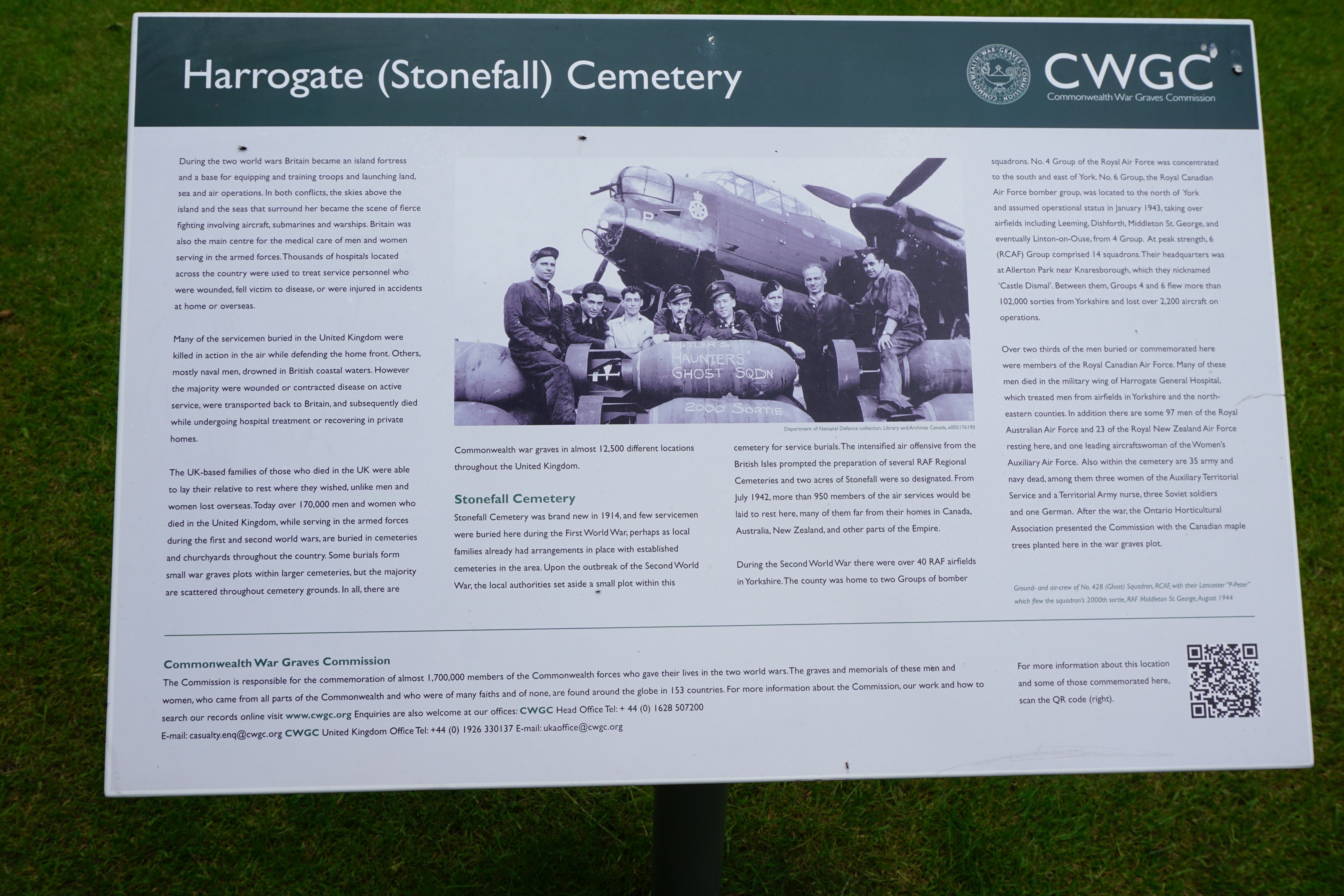
At Stonefall in Harrogate there is a large war graves cemetery. The CWGC information panel is very useful as it explains much more to visitors.

War Graves Week

War Graves Week is an annual event overseen by the Commonwealth War Graves Commission and usually occurs in May each year.

https://www.cwgc.org/our-war-graves-your-history/war-graves-week/

Do take the opportunity to join the tours organised during the week and find out more about the individuals who are commemorated here in the UK.


Where to find out more 

The history of the Imperial, now Commonwealth, War Graves Commission: https://www.cwgc.org/who-we-are/our-history/ 

Eyes on, hands on – how to volunteer to ensure that the memorials are looked after: https://www.cwgc.org/our-work/volunteer/

https://www.cwgc.org/ leads to a host of other information about the Commission and its work  

This article was contributed by Dianne Sutton from Romany and Traveller Family History Society.
Website by Beachshore