


Keeping a visual record as you progress your research

In order to prevent you becoming sidetracked as you undertake your research and to make sure you have all the relevant information from a visit to an archive, you need to construct a working pedigree. This is your picture of your research at a particular point in time.

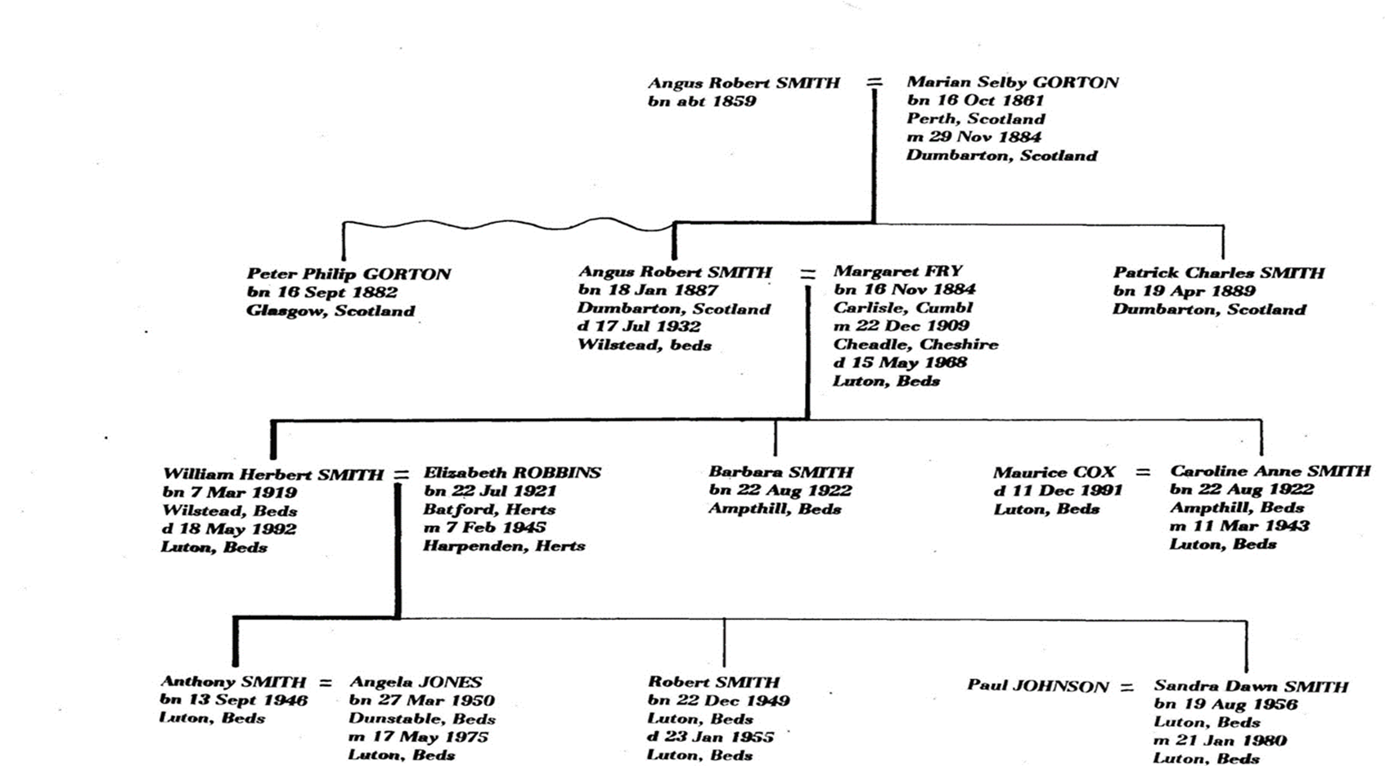
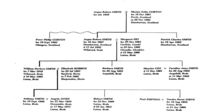
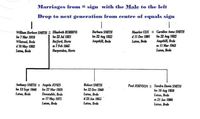
The working drop-line pedigree needs to be drawn by hand and besides identifying whole family groups, it can serve as a reminder of research that you still have to do. It is a rough pedigree with accurate information but you can also nclude bullet point notes, reminders and information which may or may not fit with your family and therefore needs further research using balloons or side notes. Then unexplained gaps or blanks serve as a reminder so you do not forget any element of research. Each generation needs to include all the siblings and their wives (see examples and points below).

Because this is a working document and sits beside you as you research, you will be able to visualise and identify any information you still need to find; it can also highlight any anomalies in your research. When you take a refreshment break and are sitting away from your research station, spend time and update your working pedigree by adding your findings of the day to the chart. This should reveal what information you still need to find or identify any gaps in your families, such as possible missing chilldren, spouses and so on. It will also help identify missing infant deaths and possible remarriages of siblings.

The advantages of using a contemporary hand-drawn drop-line pedigree chart as a working document are as follows:
  1. 1

    It will prevent you getting sidetracked. 

  2. 2

    It will help you identify each family line, thus making sure you are not mixing up family groups.

  3. 3

    Any gaps of basic and vital information will become clear so you know what you need to find out about your ancestors. 

  4. 4

    It will help you make sure you attribute naming patterns correctly.

  5. 5

    You will more easily be able to identify and record any second and subsequent marriages.

  6. 6

    Any glaring omissions, mistakes or improbabilities could also be exposed.

Information to include on a pedigree chart or a family tree

On a working pedigree the following basic information ought to be shown - name, date and place of birth (or baptism), date and place of marriage and date and place of death (or burial). You can also add information about occupation, wills, and anything else you think is important to record as your research progresses.

Before updating your working pedigree, make sure you have recorded in your notebook or on your laptop the source information for the documents and you have a full transcript or have taken a digital image of the information. You cannot include everything on a pedigree chart.

Because the working pedigree is hand-drawn you can include more or less what you want to include. Remember it is a working document not your final family tree and is not a substitute for base information. When you return home, you can be confident that you have the information you set out to obtain or that you have identified areas of further research needed and can update your family history software or actual pedigree.

Examples of a family tree format

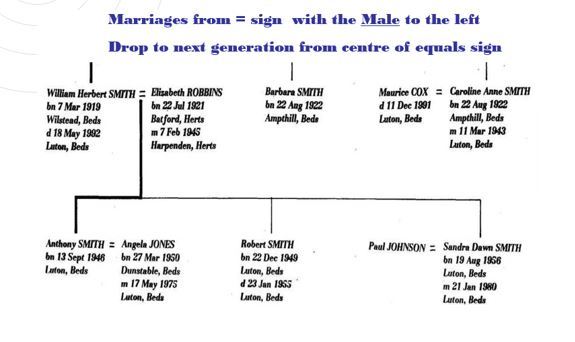
Your working pedigree begins with a blank sheet of paper in landscape format. The best way to compile the pedgree is to take a sheet of A3 paper or cut a piece off a roll of lining wallpaer. Then follow the steps below to populate your chart with existing known information. This builds your current "picture" of your family history that you will work on as you go on. 

  1. 1

    Start at the bottom of the sheet with youngest generation.

  2. 2

    Divide sheet horizontally into about four generations.

  3. 3

    Always place the oldest sibling to the left of the line.

  4. 4

    In marriages, males are always to the left.

  5. 5

    A marriage is denoted by an = sign.

  6. 6

    The drop commences at the centre of the equals sign

Write everything down!

It is vital that you should write everything down - somewhere!  In compiling your working pedigree, remember to leave enough space to enable additional siblings or second and subsequent marriages to be included. 

The minimum information you should record on your working pedigree is name, birth or baptism, marriage, death or burial. 

The more you immerse yourself in family history, the more you will learn. Enjoy...and good hunting!

This article was contributed by Ian Waller from Family History Federation.
Website by Beachshore