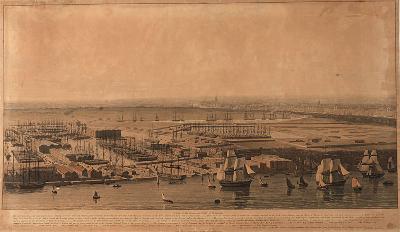
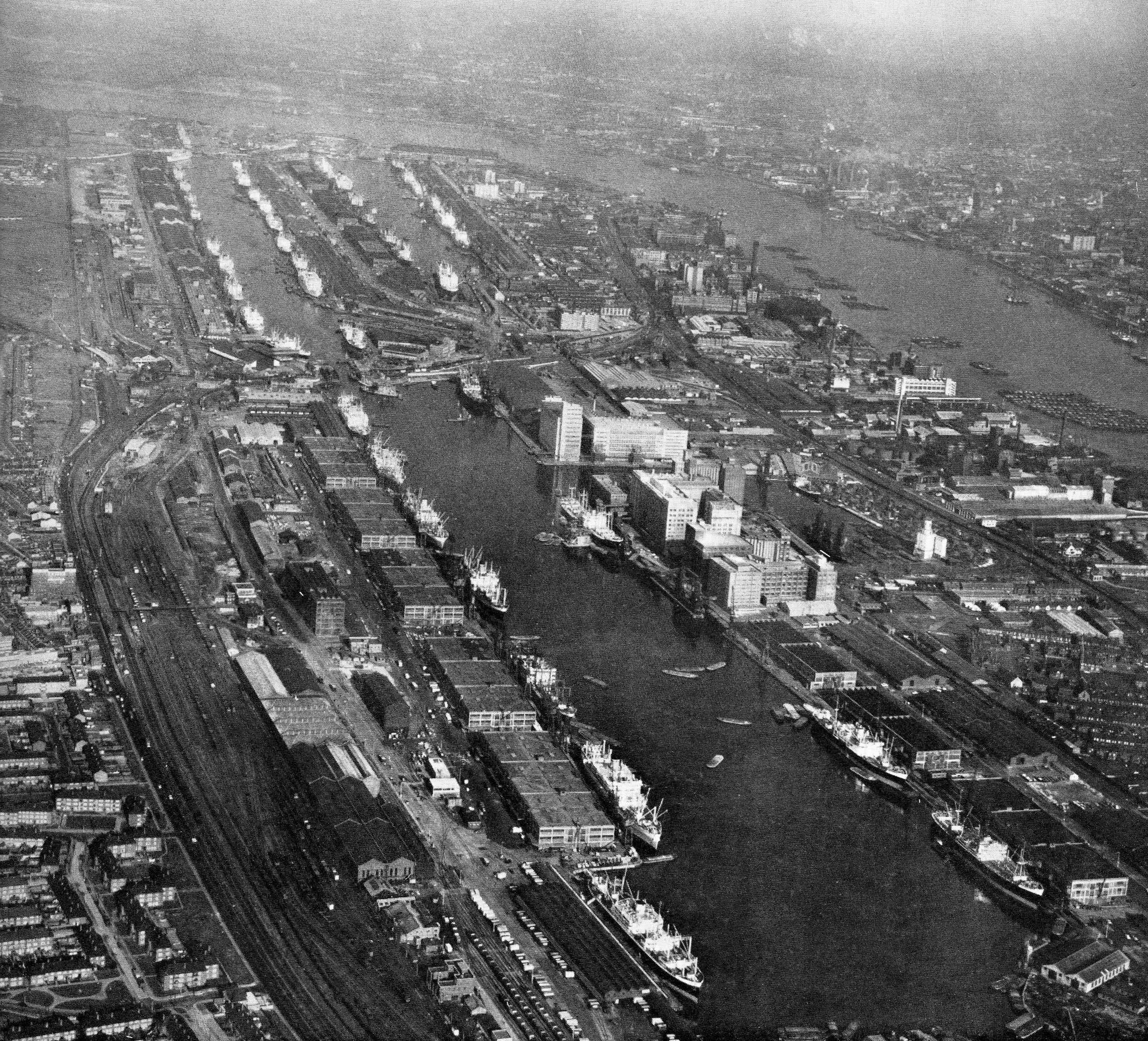
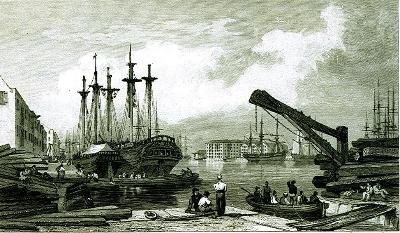
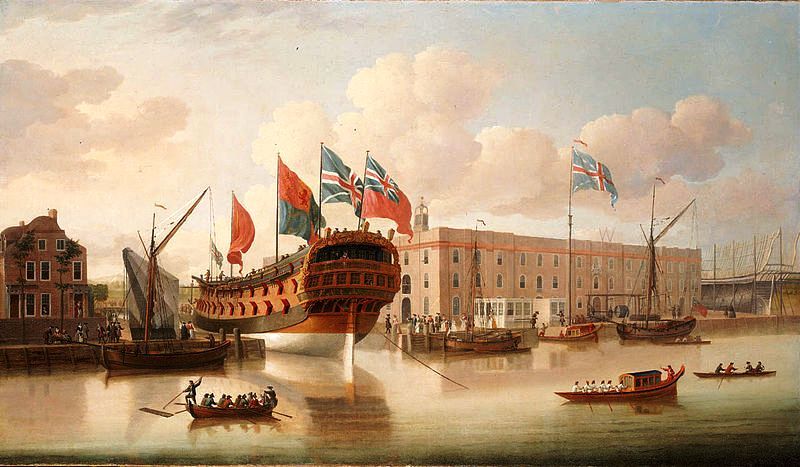
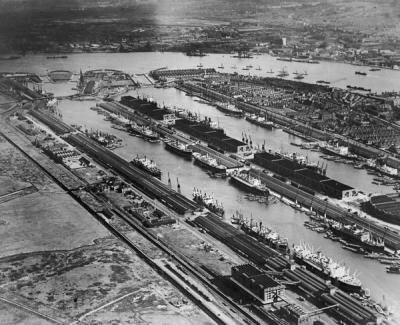
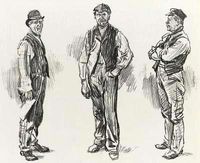
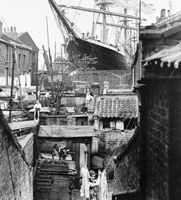
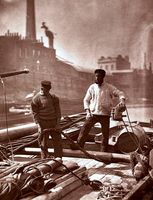
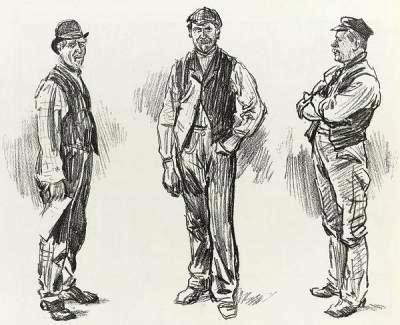
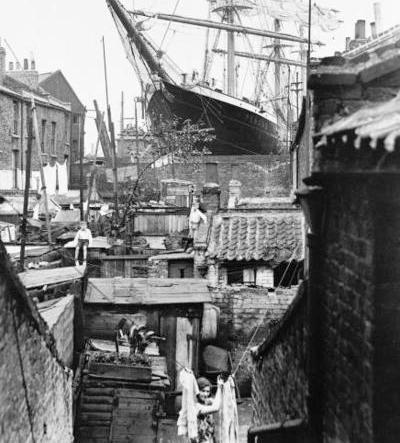
The Port of London would not have survived without its army of workers. However, many of the jobs created in the port during the nineteenth century were poorly paid. Some were seasonal or casual, which meant that people were only paid when work was available. As a result the dockers and their families lived in poverty. The casual nature of their work meant they did not receive a regular income. During periods of unemployment, some dockers turned to crime while others begged in the streets in order to make ends meet. Unfortunately, many ended up in the workhouse system. Families relying on an income from casual work could only afford basic accommodation and sometimes houses were in multiple occupation.
The London Dock Strike occurred in August 1889 and it resulted in a victory for the strikers and established strong and influential trade unions amongst the dockers. The dock strike started over a dispute about 'plus' money during the unloading of the Lady Armstrong in the West India Docks. 'Plus' money was a bonus paid for completing work quickly. The main union was the Dock, Wharf Riverside and General Labourers' Union. The strike helped to draw attention to the problems of poverty and the dockers' cause attracted considerable public support.
Within the Port of London, there were many specialist jobs...not just ordinary dockers.
Stevedores
Large numbers of dockers were needed to work at the dockside or to operate cranes. The men who loaded the ships were the stevedores, a very skilled job because cargo had to be placed carefully in the hold to make sure that the ship did not become unbalanced and capsize. The loading of ships was regarded as too important to be left to the dock companies, and in London the stevedores were hired directly by shipowners or their agents. A gang of stevedores would normally be led by a Master Stevedore.
Customs men
Duty had to be easy to collect and difficult to avoid; so the Government set up customs duties on certain goods which were imported and exported by sea. These levies yielded between one quarter and one half of all tax revenue. The eighteenth century saw more than two thousand dutiable goods levied. Once the docks were built, the Customs Service set up posts at each of them to collect and administer the collection of duties.
Thames watermen
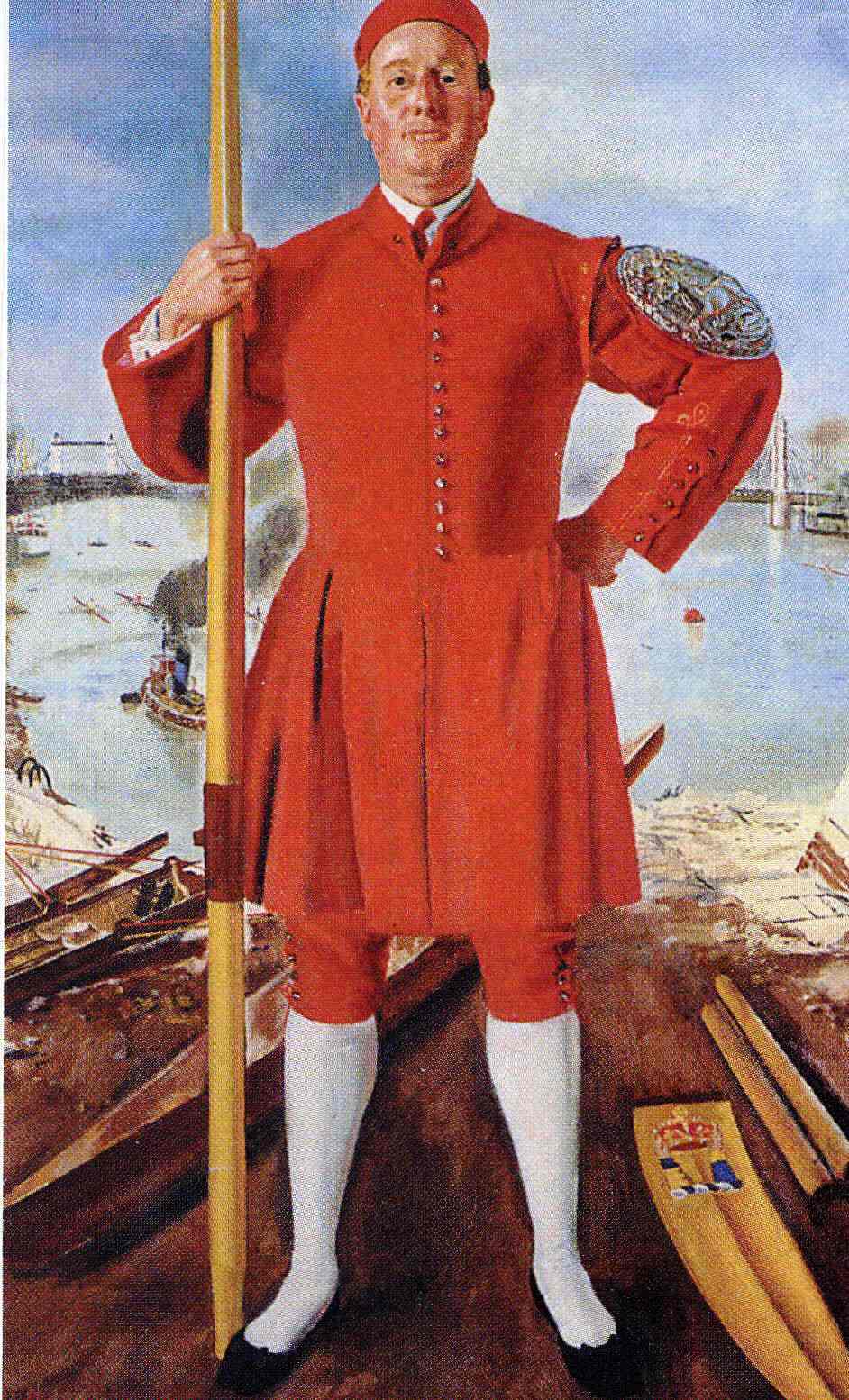
Thames watermen provided a vital service in transporting passengers to their places of work and leisure or simply carrying them across the river. They were one of the most important tradesmen in London but work on the river could be dangerous for poorly qualified men in unsuitable boats.
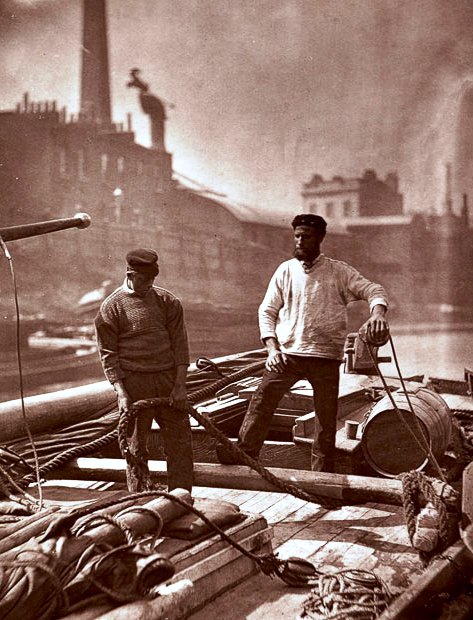
The lightermen
Lightermen were workers who transferred goods between ships and quays aboard flat-bottomed barges known as lighters. The lightermen benefited at first from the increase in the shipping trade of the Port of London. The Company of Watermen and Lightermen was responsible throughout the nineteenth century for regulating lightermen and their fees, and for registering their boats. Later, the Thames Conservancy and the Port of London Authority took over most of these duties. The Company continued to be responsible for apprenticeships and the granting of Freedoms.
Port communities
Various groups of people lived within the area of the port, most of whom had a seafaring background.
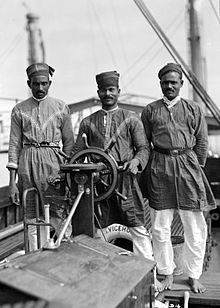
Lascars
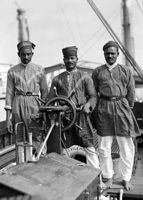
A lascar was a sailor or militiaman from the Indian subcontinent and southeast Asia.. It was the Portuguese who first adapted the word and the English word became lascarins; it originally referred to people from Ceylon who fought in the Portuguese army. The word lascar was also used to refer to Indian servants, typically engaged by British military officers.
The arrival of the first Chinese seamen in London is linked to the growth of British trade with China, especially during the eighteenth and nineteenth centuries. Chinese sailors were employed as lascars on East India Company ships. For those unfortunate Chinese who were left destitute in East London, there was some hope that they would be accepted into the Strangers’ Home for Asiatics, Africans and South Sea Islanders.
Scandinavian seamen
London's port was a meeting place, a melting pot of many nationalities and races. Thousands of seamen from every continent made regular journeys to London and often acquired an intimate knowledge of the docks, wharves and nearby streets without ever settling foot in London at all. Some nationalities formed large transient communities and established their own churches and institutions. The earliest Scandinavian churches in London were in Wapping, north of the busy wharves. The Danish church in Wellclose Square was built in 1696.