




Men were seconded to the Royal Naval Division from two services: firstly the naval reservists such as the Royal Naval Reserve and the Royal Naval Volunteer Reserve, the former made up of men who had seagoing experience as trawlermen or merchant seamen or fishermen. Secondly from the Royal Marines, which were initially a separate brigade. The Royal Naval Division was trained and equipped to fight as infantry on land

- Home
- Contribute
-
Browse topics
- Civil Registration
- Parish Registers
- Family Heirlooms
- DNA
- Wills
- Graveyards
- Military
- Archives
- Poor Law Records
- Census Records
- Nonconformist Records
- Occupations
- Old Handwriting
- Names
- Research Challenges
- Leisure and Pastimes
- Both sides of the law
- Maps & Gazetteers
- Society Records
- Education Records
- Genealogical Records
- Newspapers
- Property, Manorial and Land records
- Accidents, Illness and medical records
- Medieval Records
- Relationships
- Scottish Records
- Irish Records
- Resources
- Podcast
- Find a Society
- Subscribe
- Search
- News & Events
- Surname interests
ROYAL NAVAL DIVISION
The land army of the Royal Navy
The Royal Naval Division was created to meet the urgent demands of wartime manpower where naval personnel operated far from the sea. It was formed shortly after the outbreak of the First World War in September 1914 and was unique in its purpose. The Division fought only fought on land alongside the army and consisted of personnel from the Royal Naval Reserve, Royal Fleet Reserve, Royal Naval Volunteer Reserve, Royal Marines, Royal Navy and Army. There had been a huge excess of enlistments to the Royal Navy which meant there were not enough naval jobs for them, so men were initially made naval reservists, but were reorganised into the nucleus of an army-style division of light infantry for deployment on land.

Organisation of the Royal Naval Division
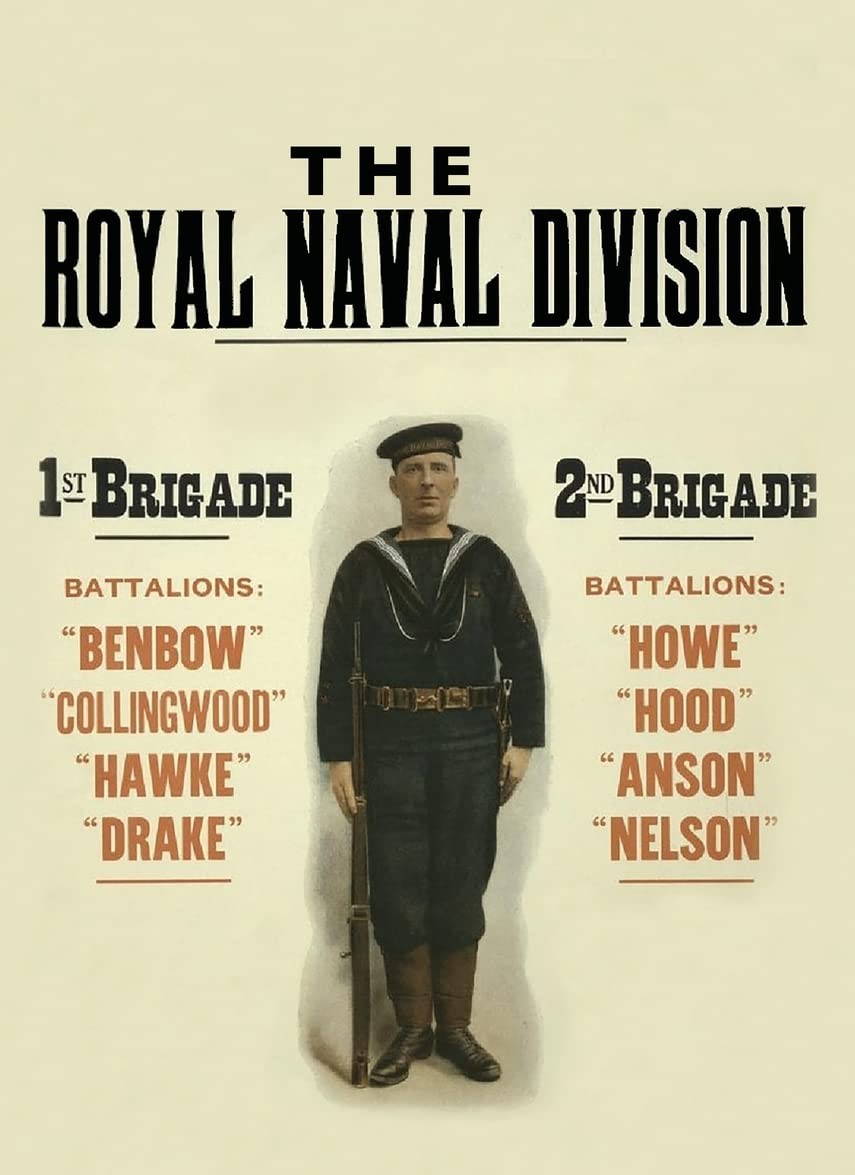
The Royal Naval Division was formed into two brigades consisting of eight infantry battalions named after admirals rather than being given battalion numbers as in the army.
They were initially under the command of the Admiralty, not the War Office. Each battalion was drawn from the major naval ports of Chatham, Portsmouth, Plymouth, alongside the depot at Deal. It was envisaged that the division could be used by the Admiralty to help secure and defend forward ports for naval forces
1st Royal Navy Brigade
Drake
Hawke
Benbow
Collingwood
2nd Royal Navy Brigade
Nelson
Howe
Hood
Anson
Although enlisting in the Royal Navy, those who were seconded to the Royal Naval Division never saw sea service.
The division fought on land at Ostend and Antwerp in Belgium early in the war, as well as the Dardanelles campaign (Gallipoli) in 1915. However, this campaign ended in failure with more than 130,000 men from Britain and its allies losing their lives, as well as around 400,000 men wounded. The effect of the campaign on the Royal Naval Reserve was extreme resulting in the Benbow and Collingwood battalion being disbanded because of heavy losses.
In 1916, the command of the Royal Naval Division was transferred to the War Office and redesignated as the 63rd (Royal Naval) Division which reflected its full integration into the army command structure with extra men joining from army battalions.
Naval reserves still accounted for many servicemen, but it is important to be aware of the three different resources for recruitment, namely the Royal Navy, the Royal Marines and the Army, because this affects where you need to research to find your ancestor’s service records.
The division fought on the Western Front from 1916 onwards, including battles such as Passchendaele, Arras, the Somme and Welsh Ridge. At the same time it kept many of its naval traditions. They had their own versions of the army uniform, employing ships’ bells to tell the time, growing beards, using nautical slang and the right to sit down when toasting the King. They also had a more casual approach to discipline than their army counterparts.
The Royal Naval Division was disbanded at the end of the First World War.
Finding records of Division personnel
Royal Naval Division service record cards are held at The National Archives at Kew in series ADM 339. These mainly cover naval reservists for anyone who joined between 1914 and 1919.
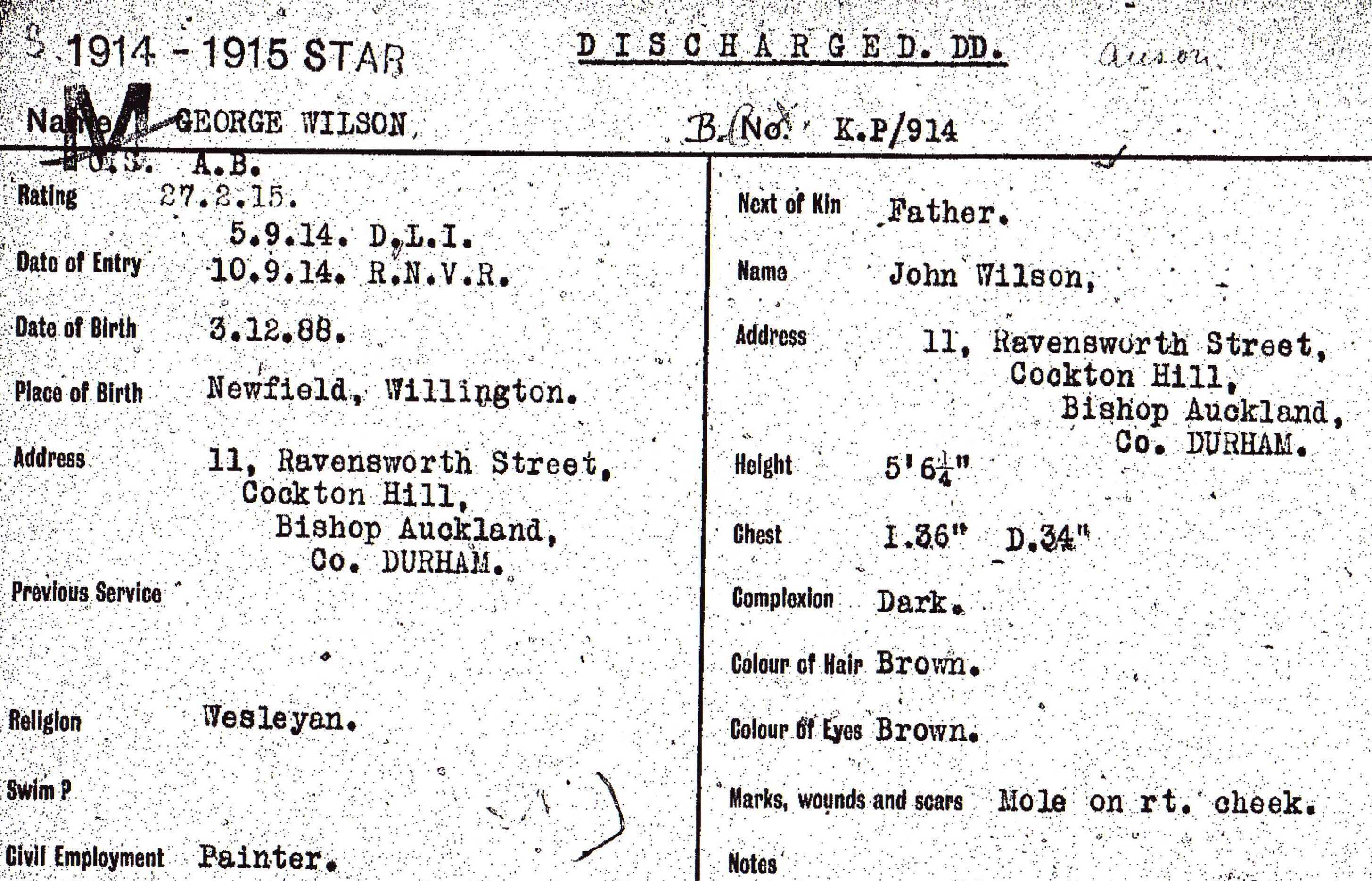
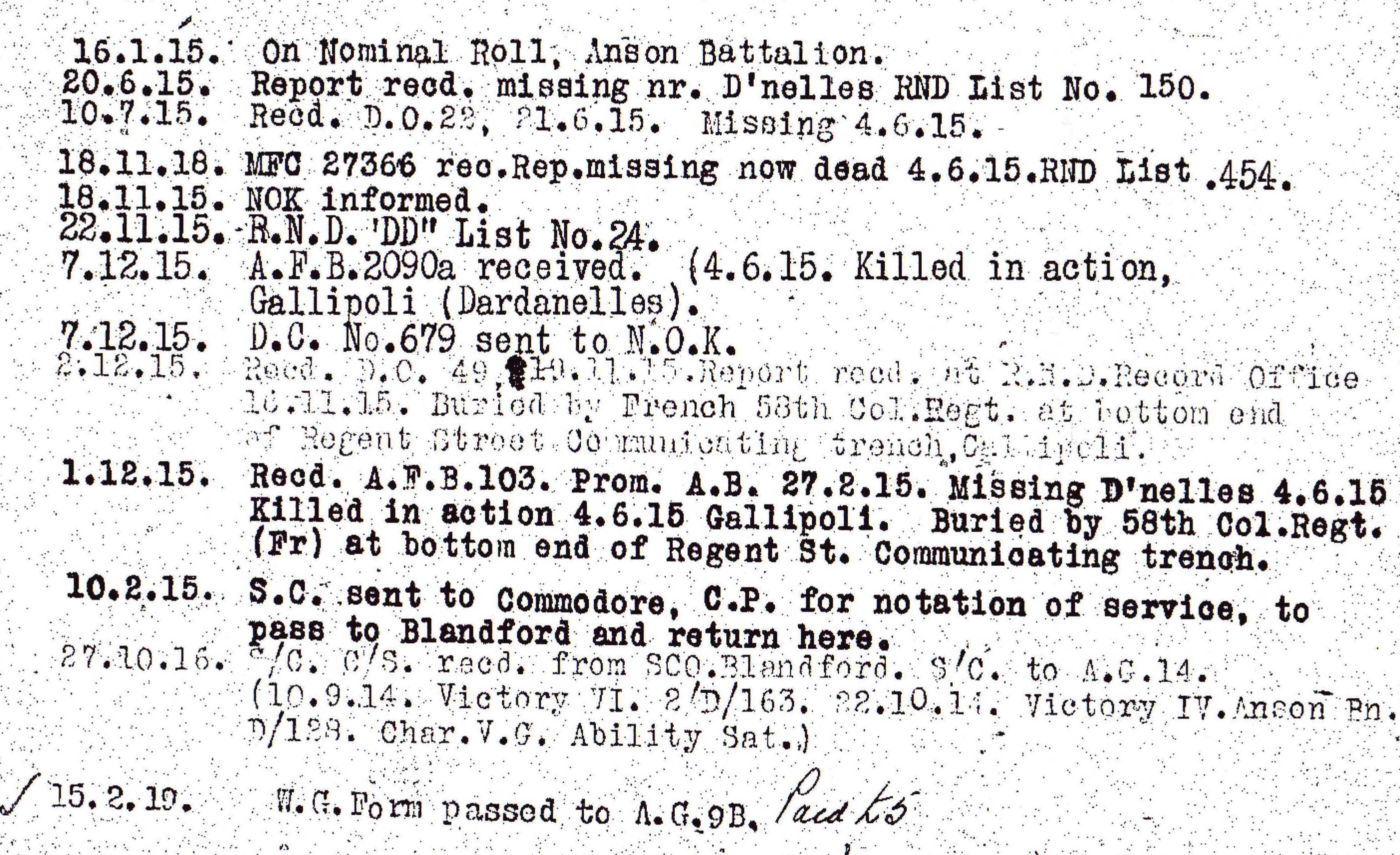
Each card has two sides. The first side provides good personal details about the man and also his rating. The Division continued to use naval ranks after its transfer to the War Office service numbers. Theother side of the same card provides dates and details of service. Events recorded include orders, sickness and injury, being taken prisoner, and communications with a soldier’s family.
Royal Naval Division record cards
The ADM339 record cards have been digitised and can be searched and downloaded on either The National Archives Discovery or Findmypast.
The record cards in ADM 339 do not include Royal Marines who served with the Division; their records are in the Royal Marines service records in series ADM159, searchable on ancestry.co.uk. Similarly, records of army personnel in the Division are within the records of the British Army.
The ADM339 records of service can provide the following information:
- home address
- occupation
- religion
- name and address of next of kin
- where they served and significant events during this time
- awards and details of action
- wounds sustained and which hospital treated them.
Ratings’ service records may also include physical details:
- date of birth
- height
- chest measurement and sometimes weight
- complexion
- colour of hair and eyes
- any distinguishing features, including descriptions of tattoos.
Some of the records indicate place of birth and swimming ability.
Royal Naval Division War Diaries and Medal Rolls
Each Royal Naval Division battalion kept a War Diary documenting its daily/weekly activities by date. They describe where the battalions were stationed and their activities including training, fighting, resting and parades or inspections. Most record new officers, loss of life, injuries and sickness, the weather, and other useful information.
The Division War Diaries that served on the Western Front from 1916 onwards can be searched by the battalion names on The National Archives website. The War Diaries covering the Gallipoli campaigns are available via Ancestry.
Finding information of your Royal Naval Reserve ancestors First World War campaign medals depended upon their parent service records. Those who joined from the army means their records in series WO 372. Medal records for most of those who joined from the Royal Navy are found in the Navy medal rolls in series ADM 171. The records in ADM 171 can be searched by name on Ancestry.
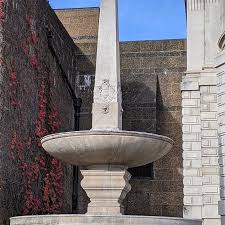
The Royal Naval Division Memorial
The memorial is located on Horse Guards Parade in London and dedicated to members of the 63rd (Royal Naval) Division killed whilst on active service during the First World War.
This article was contributed by
Ian Waller from Family History Federation.






Registered Office: 2 Primrose Avenue, Urmston, Manchester M41 OTY
Email: admin@familyhistoryfederation.com
©2026 Explore Your Genealogy
Website by Beachshore