There are many records within the court system that will provide information about an ancestor. All records may not survive for all court locations but the following suggest the type of records which you will need to research:
Sessions Minute Books are the summaries of the events of each session, which lead to Sessions Rolls which include the evidence presented for each case. These are where the real gems are. They are often grouped together for each case with a leather string punched right through the middle of the pieces of parchment or paper!
Order Books include the court’s decisions on every item of court business,
Separate records frequently exist for specific types of administration or cases such as indictment rolls, fines, or recognizances.
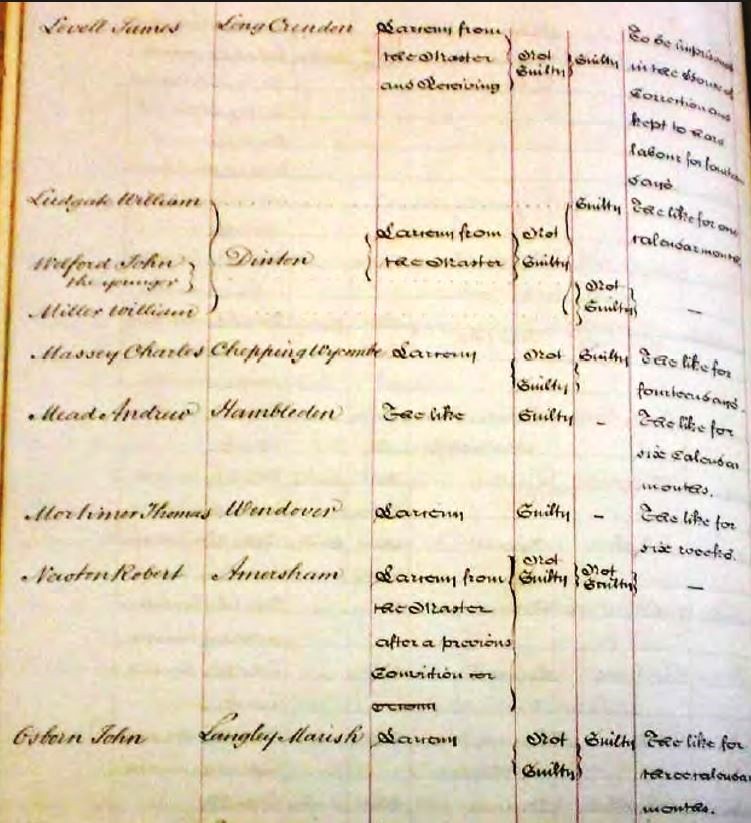
Session book
Many session books were written in Latin until 1734 and havesince been transcribed and published, giving references to the actual rolls. It is often easier to find information in these records than in the rolls
Other quarter session records
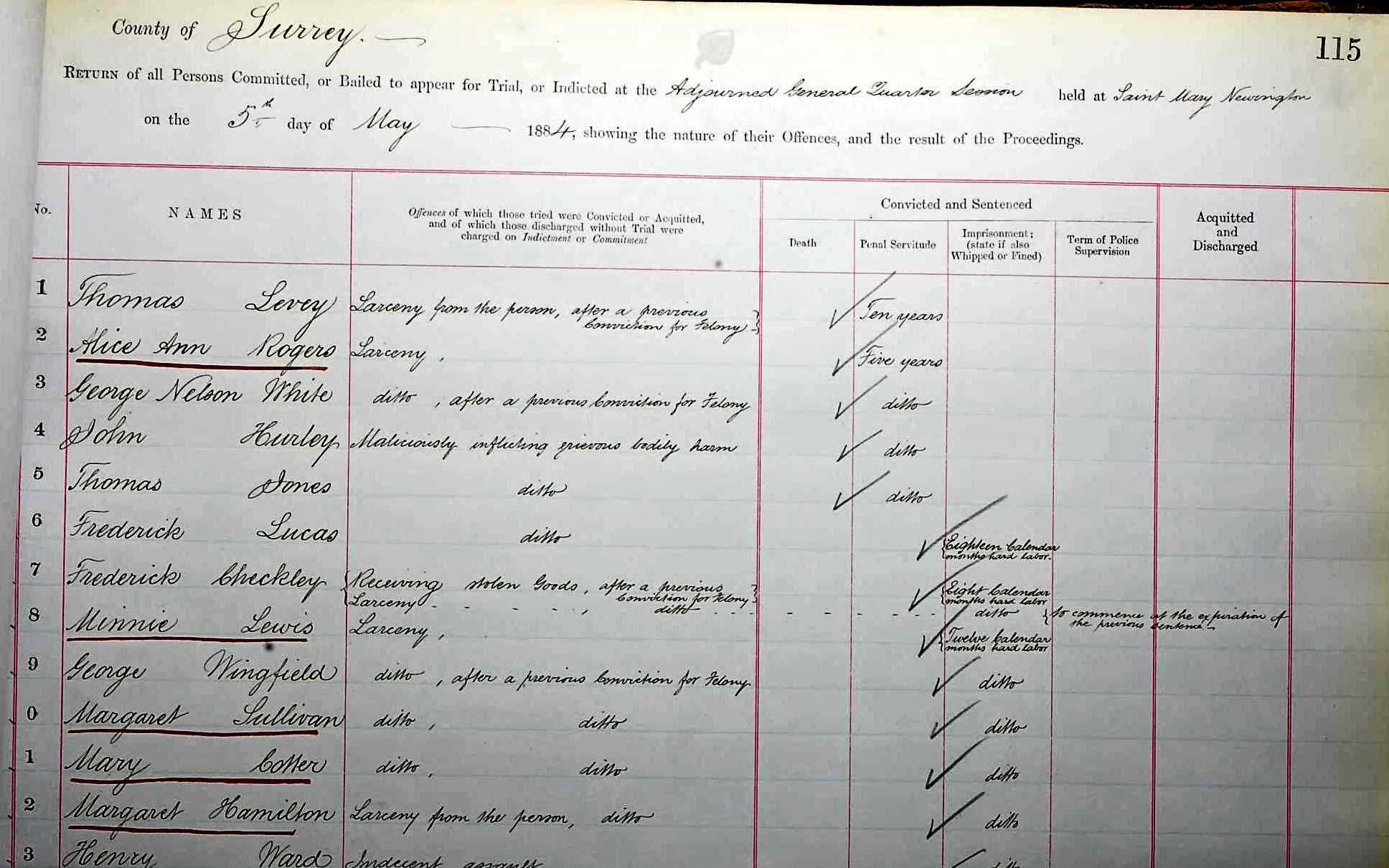
- Returns of persons committed for trial provide basic information about all those who were due to appear at court.
- Process books deal with the judicial business, pleas and verdicts
- Minute books are the minutes of the proceedings and are very often “rough” notes.
- Order books are the records of the decisions on each case and cover all the business of the court
- Bills of indictments are a list of cases submitted to the grand jury and outcomes of trials
-
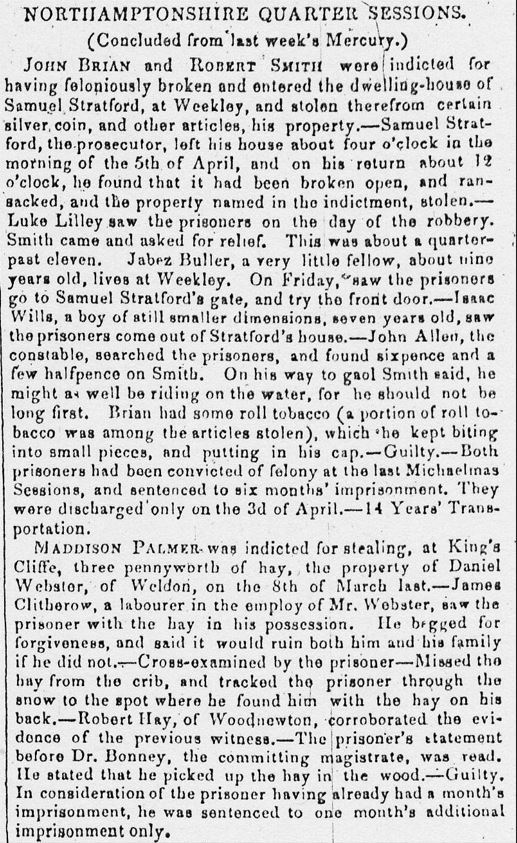
- Criminal entries are generally brief, which is why it is a good idea to find reports in newspapers, whereas the general records for the areas which were subsequently covered by local councils are fairly detailed
-
Indictment
Indictment was the name given to the process whereby a person made an accusation of an offence (usually serious) against another person. Indictments were made by both private individuals and public officials, typically parish officers, such as constables, surveyors of the highways and overseers of the poor.
Presentments
Presentments may be written in Latin. They are written in the form in which the jury would read them out. Constables' presentments, were a presentment of a particular offence in a particular parish, usually concerned with deficiencies in rent collection or bastardy If a parish constable had no presentment to make he reported omnia bene which translated means all is well.
Depositions
Many of the documents contained in the Quarter session records relate to depositions which were the witness statements and examinations associated to the case..
Recognisances
Recognisances generally make up around seventy per cent of surviving Quarter Sessions Records. They are normally written in Latin but later in English and fall into four broad categories:
- to keep the peace - pace ferund
- to be of good behaviour - de se bene gorend
- to attend a court and give evidence
- to attend a court and answer a charge.