

Start by talking with as many of your relatives as you can. Make a list of all your questions. It is a known fact that females can recall more than males when talking about their relatives. Be sensitive and don’t push for information they do not want to reveal as doing so may close the door.
Unfortunately, people begin tracing their family history after parents or grandparents have died and taken memories with them to the grave. So, don’t delay! Contact those who are still alive - siblings, cousins, aunts and uncles. Do it NOW!
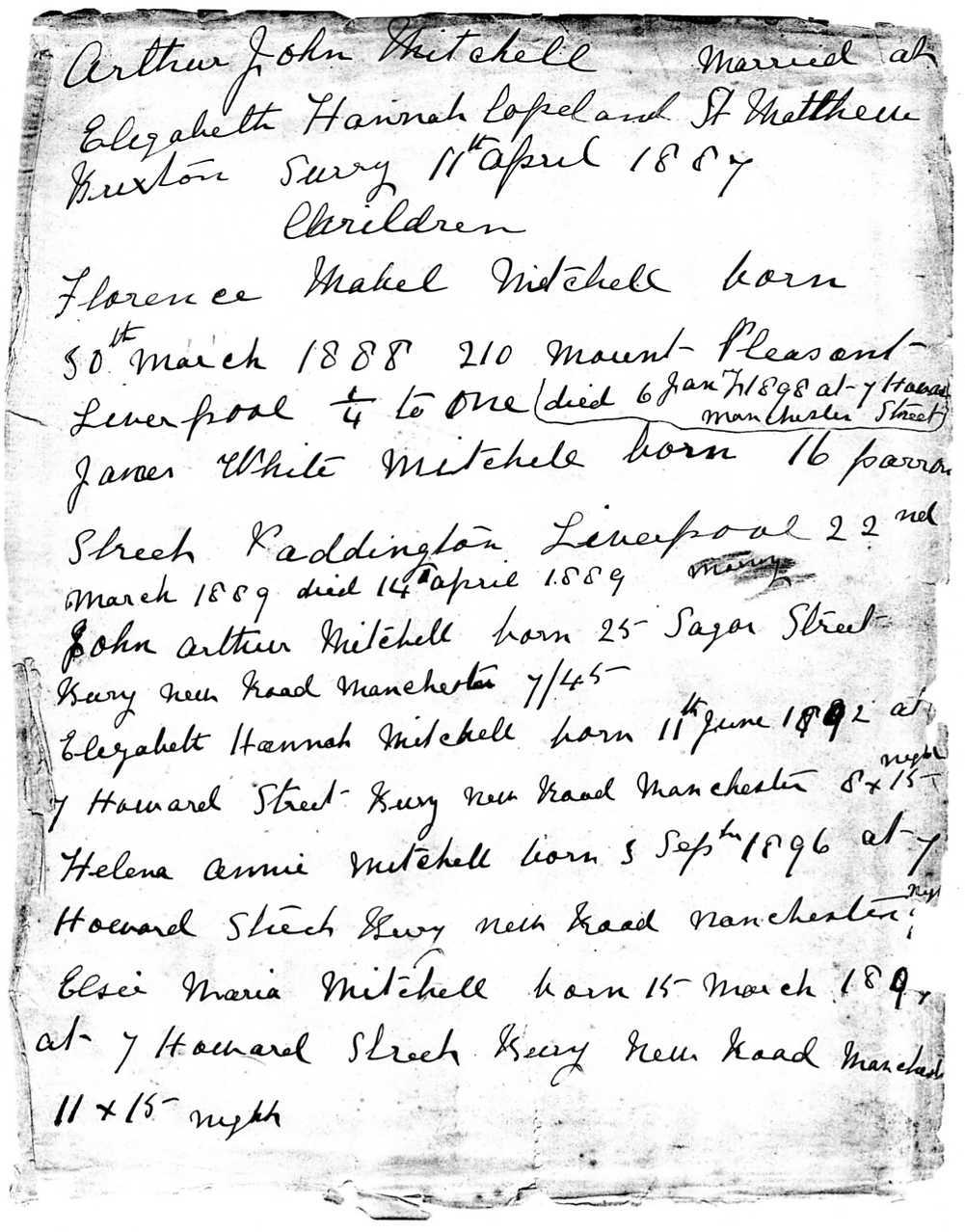
Ask if they have any family documents or heirlooms that they are willing to share these with you.
Try to establish basic facts as far as possible - date and place of birth/baptism, marriage, and date and place of death/burial of as many of your relatives as you can.
You will doubtless be informed of family legends. Do not ignore them or believe them as being literally true. Use them as a source of guidance in finding out about the past. There just could be a grain of truth somewhere!
If you are able, record your family members as you interview them. Remember to be open about what you would like to do, ask their permission before doing so because some people may be self-conscious or not like the idea. Oral histories form a valuable part of any family archive. Recording an interview will allow you to capture accents and emotions as relations respond to your questions. Having a recording of your ancestors is an invaluable record.
Before you talk to your relatives make a checklist of items you wish to discuss. Start by telling them what you already know, no matter how much or how little that is. It will act as a prompt to them.
Don't be surprised if people don't remember the detail but use the information in your continued research.
You can build a lively discussion by asking questions about schools attended, which family members went to the same school, who served in the military, where did they go on holiday and so on.
Try and build up a life picture because you will learn what they looked like, were there any nicknames or aliases they used, what they did for a living, whether they served in the wars, any conflicting tales and obtain an idea of events in their lives. Older relations may remember people who were alive a century ago.