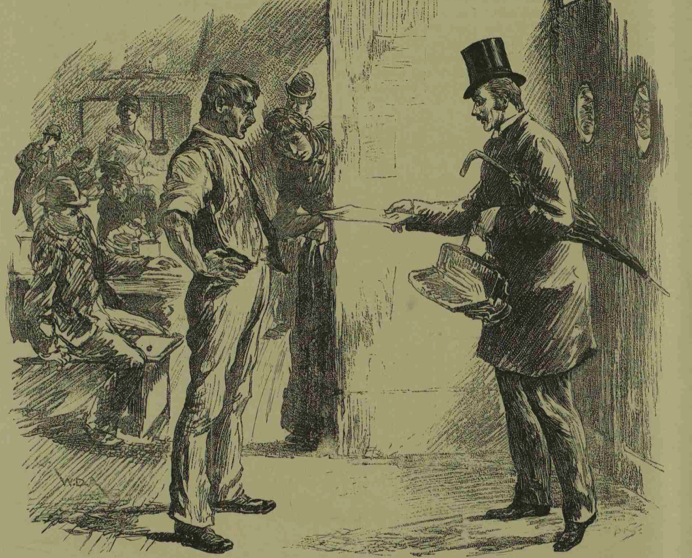





Information was initially collected by the Overseers of the Poor, assisted by parish constables, tithingmen and other officers of the peace. In Scotland the responsibility was given to schoolmasters. In Ireland, the first census was not taken until 1821.
The 1801 census taken on 10 March 1801 provided information on the number of inhabited and uninhabited houses in the parish and how many families occupied them. Also included were the number of people in the parish, their employment and numbers of baptisms, burials and marriages in the previous 100 years.
A similar format was followed for the 1811 census taken on 27 May 1811; the enumerators were asked to provide more information about the reasons houses were unoccupied so that the prosperity of the district could be more accurately gauged.
The 1821 census taken on 28 May 1821 was expanded to include an age band analysis. This was important because of the demand for accurate life tables from Friendly Societies who provided insurance and pensions to millions of people in the UK. The 1821 census was also the first where the names of the head of the household were frequently included. A question relating to age was asked in order to assess numbers of men able to bear arms.
The 1831 census taken on 30th May 1831 contained more detailed questions on occupations and began to provide the government with economic information supposedly to plan for the next ten years. Employment classifications such as agriculture, manufacturing, retail, handicrafts, merchants, bankers, miners, fishermen were included.
Many of the early returns for 1801-1831 do not survive with only statistical summaries being published. Where surviving returns do exist, they can be searched in county record offices.
Returns are known to exist for certain areas of the following counties so it is necessary to use the record office catalogues to find out the specific areas: