A foundling is an infant or young child who has been abandoned by parents. They were often discovered in public places and cared for by others; this was known as baby dumping. But sometimes, the infant or child was given up by the mother to the Foundling Hospital because she did not have the capability or means to look after the child and so gave them over to institutional care. In the true sense, unlike orphans whose parents have died, foundling parentage is unknown to the child which can create significant lifelong identity challenges.

The situation of foundlings is often due to extreme poverty or social circumstances. They were often supported by parish relief or sent into workhouses. Historically, institutions like the Foundling Hospital in London provided much needed care. Thomas Coram established England's first Foundling Hospital in 1739, caring for around 27,000 children during its existence.

Up to the end of the Victorian era, there was a stigma attached to illegitimacy, but even in the modern context individuals abandoned as babies often face challenges regarding their identity, birth date and legal documentation, sometimes searching for origins by using DNA.

After 1977 in England and Wales foundlings are usually recorded in the "Abandoned Children Register" maintained by the General Register Office. It includes the estimated date and location of finding, serving as a birth record when parents are unknown. It is separate from the standard birth register. For older cases, records may be found in local archive records in workhouses or those of specific children's societies.

Foundlings and  the Foundling Hospital

the Foundling Hospital was established in the eighteenth century when abandoned children were not unusual; they generally relied on the Poor Law to cater for needy families. At the time the only charitable institution that took in foundlings as well as orphans was London’s Christ’s Hospital founded in 1552, although by 1676, illegitimate children were prohibited.

By the early 1700s, the situation for struggling parents was dire. Economic migration from rural areas led to a population explosion in London meaning that the parish-based system was under immense pressure. Mothers unable to care for their illegitimate children had few options, leading to some completely abandoning their babies on doorsteps or outside churches. This was the situation that confronted Thomas Coram when he returned to England from America in 1704.

Thomas Coram

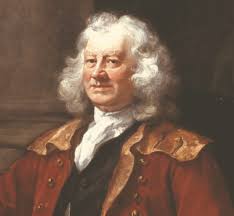
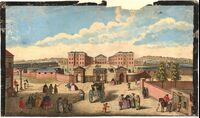
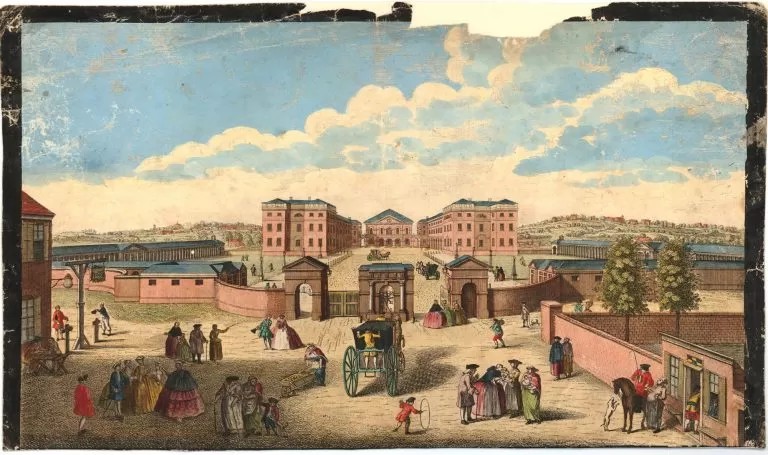
Thomas Coram, a sea captain and philanthropist, established the Foundling Hospital, as London’s first home for babies whose unmarried or destitute mothers were unable to care for them.

He was shocked at the number of abandoned and dying babies on London’s streets, so he enlisted support from leading members of the aristocracy, the City of London Corporation, the arts and the sciences. His supporters included the composer George Frederic Handel and the artist William Hogarth. Thomas Coram’s vision for abandoned ‘foundling’ children was that they should be cared for and educated so they could ultimately support themselves.

. After seventeen years of intense campaigning, he received a Royal Charter enabling him to establish a Foundling Hospital ‘for the care and maintenance of exposed and deserted young children’.

How the foundling system worked

The first children were admitted on 25 March 1741. Within the Foundling Hospital, mothers were required to hand over their child in person. Between 1756 and 1760, the hospital was required to admit every baby brought to its doors in return for government funding. The numbers of children taken in during this time resulted in soaring mortality rates which gave the hospital a reputation that too many died in their care. It took the hospital several years to recover its reputation. Restrictions were imposed to not overwhelm the hospital, which initially included babies to be under two months old and free from disease.

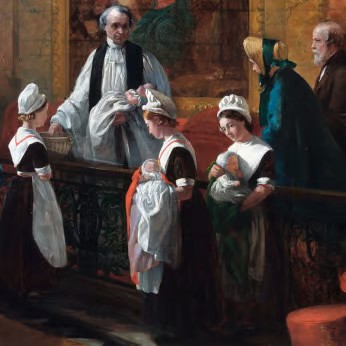
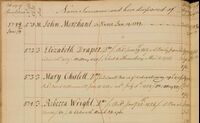
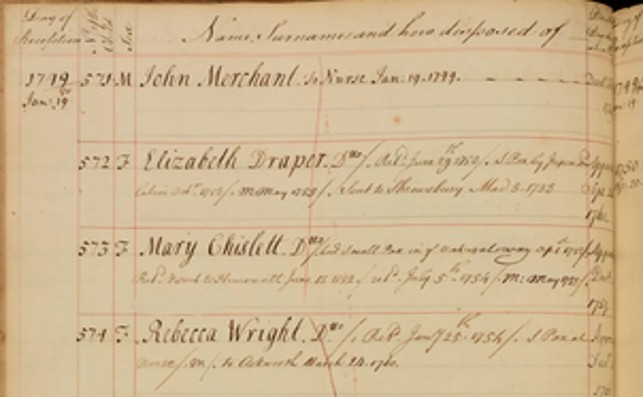
Rather than abandonment, the mothers took their babies to the Foundling Hospital, but many were hopeful that their circumstances would change so that they could one day reclaim their child. Every child admitted to the Foundling Hospital was baptised and given a new identity. Mothers also left a token that could be used to identify their child if they returned to reclaim them. The Foundling Hospital kept meticulous records of every child who passed through the institution.

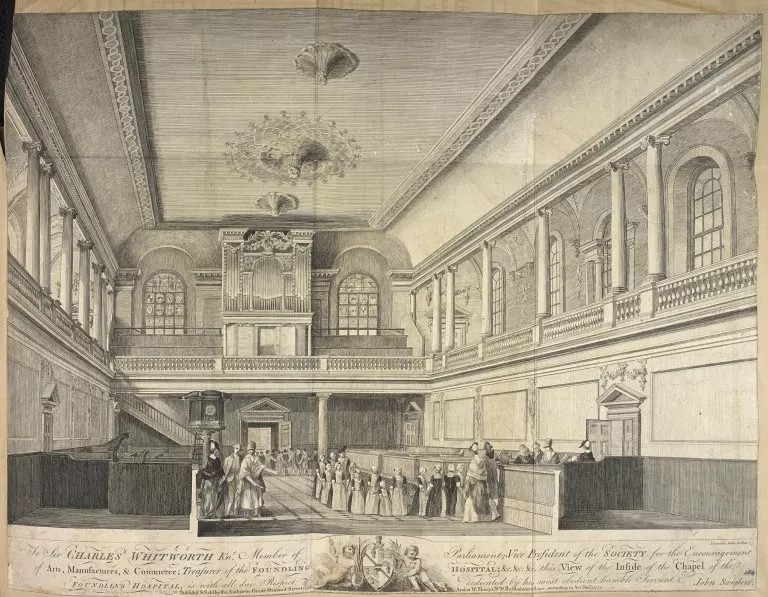
Once received, the children were sent to be wet-nursed with foster families in the countryside and they stayed there until they were about five years old. Then they were returned to live and be educated in the Foundling Hospital until around the age of fifteen.

Girls were then generally apprenticed for domestic service and boys were apprenticed into a variety of occupations, usually for seven years.  Many boys were also trained for military service.

During the mid-1700s several Foundling Hospital branches were set up, albeit temporarily, to cope with the large number of children received at the time. These were:

Ackworth Foundling Hospital (1757-1773) - More than 2,600 children came through its doors.

Shrewsbury Foundling Hospital (1758-1772) - was the second largest branch hospital, caring for almost 1,200 children in total. 

Aylesbury Foundling Hospital (1759-1768) - housed 40-100 children at a time

Westerham Foundling Hospital (1760-1769) - Chartwell, the home of British prime minister Winston Churchill, was once the Westerham branch hospital in Kent. The branch cared for 469 children in total.

Barnet Foundling Hospital (1762-1768) - cared for 40 children at a time

Chester Foundling Hospital (1763-1769) - cared for 306 children in total, many of whom lived with nurses in the countryside around Chester.

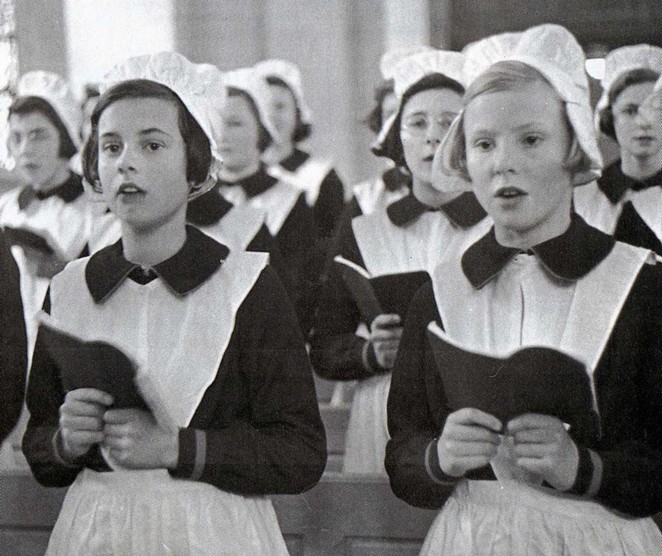
The Foundling Hospital relocated to Redhill, Surrey in 1926, and a new school was built at Berkhamsted, Hertfordshire which opened in 1935.


The admission system

Each baby in the Foundling Hospital was given a new name to provide anonymity for both mother and child. However, the hospital made it possible for mothers to reclaim their babies if their circumstances changed. In the eighteenth century; the link between mother and child was through tokens.

On the day a child was admitted to the Founding Hospital, staff filled out a billet which recorded information, such as gender, the clothes the child was wearing, and any distinguishing marks on the body. But the billet did not record the child’s name.

Applications by mothers for their babies to be admitted to the Foundling Hospital soon outstripped available places so a lottery system was introduced.

Mothers were asked to draw coloured balls. If they drew a white ball, their child was provisionally admitted; but if they picked a red ball, the child was placed on a waiting list. Occasionally places became available, perhaps if one of the infants already accepted turned out to be ineligible due to an infectious illness. And finally, if the mpther drew a black ball, the child was rejected.

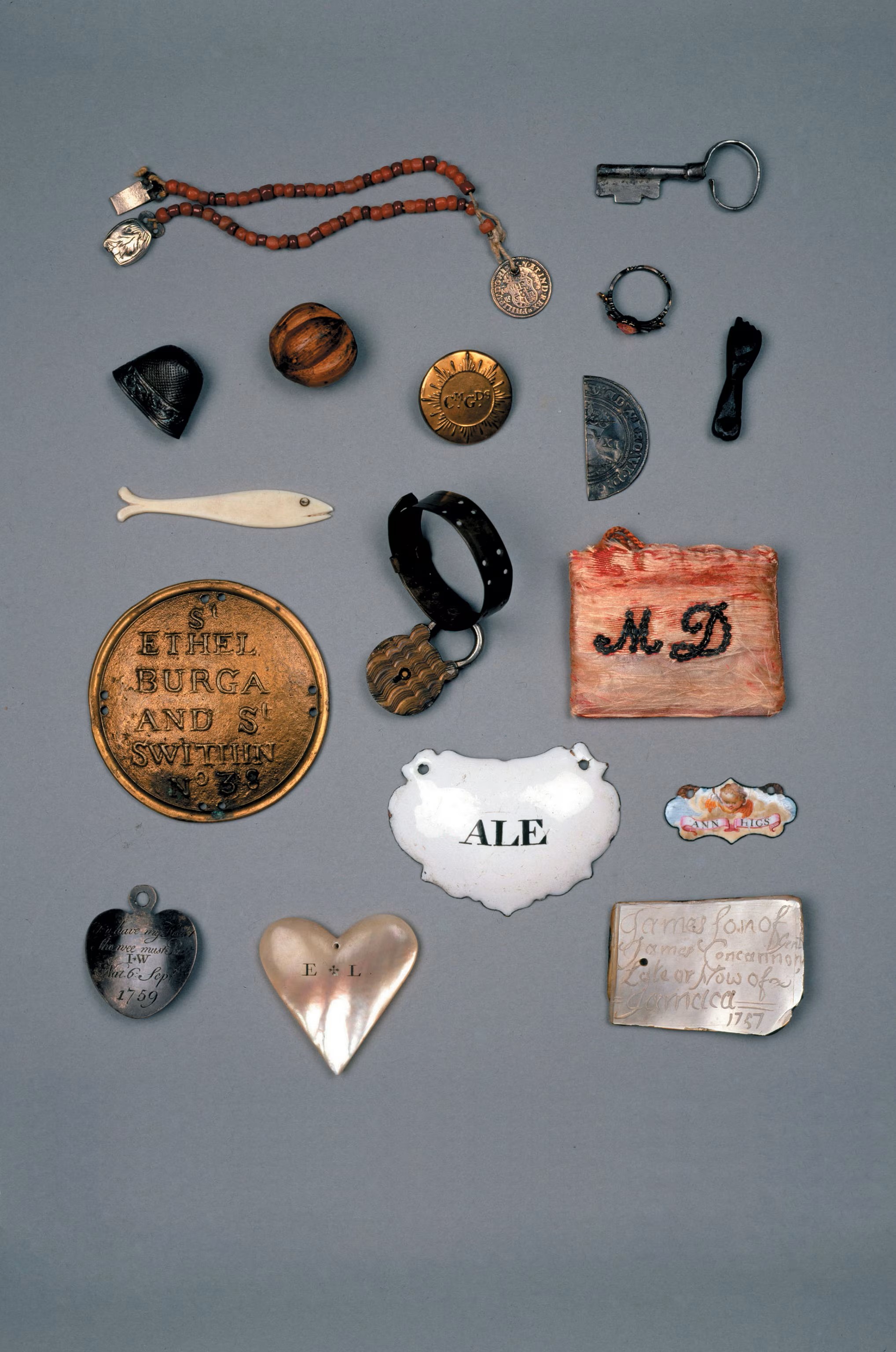
The hospital ensured that mothers left a ‘token’ as a small identifying item; ths could be a ribbon, a rosette, a button, or a coin. The billet sheet was then folded around the token, which was safely stored at the hospital. If the child was ever reclaimed, the billet would be opened and the token used as a method of confirming the identity of the child. The mother could either describe the token or produce a matching part of it. Children who were not reclaimed never knew of a token being left for them.

In 1768, a new petition system was introduced which meant tokens were now unneccessary. In their place, mothers had to write a petition letter to the hospital for the admission of their child. The hospital investigated each case before the child was admitted so the record could be referenced if a child was reclaimed.

In the mid nineteenth century, the hospital opened the billets and the early tokens, where they were made of paper, fabric or ribbon, were attached to the billet sheets. These were then bound into volumes to form an important element of the archive.

So, what about the other tokens which used small objects? These were exhibited at the Foundling Hospital in the nineteenth and twentieth centuries. Today they are on display at the Foundling Museum.

Education and army bands

In 1801, the hospital governors changed the objective of caring for deserted children to that of caring for illegitimate children. They were admitted only if their mothers made a sufficiently strong case for their ability to make a new start in life. The children still went to foster mothers during their early years, returning to London for schooling at the hospital before moving on to apprenticeships.

Hospital life continued unchanged but a principal was appointed for the girls’ school in 1852. She raised concerns about the unsatisfactory education of the girls, the poorly trained staff and substandard accommodation.  The governors subsequently made changes to the timetable, instituted training for teachers and improved sanitary conditions.

By the 1850s English grammar, geography, reading, writing and arithmetic became a standard part of the curriculum. A Boys’ Band was established in 1847 which was the most important development of the activities of the children. It resulted in many of the boys leaving the hospital and enlisting into regimental bands training at Kneller Hall.

Nurses

The hospital advertised for nursing mothers prepared to feed and nourish unwanted babies from the Foundling Hospital. They were known as wet nurses because they breast-fed the youngest babies. Dry nurses cared for infants who had been weaned before admission to the hospital. Infants were usually placed with their nurses within a few days of admission.

Nurses were generally from the rural labouring class and were usually the wives of agricultural workers. All the nurses were either married or widowed, with young families of their own. They often fostered multiple foundlings at any one time. In 1760 5,814 infants were in the care of the nurses.

Foundling Hospital Archive

Information is available to assist those researching former pupils of the Foundling Hospital. Records more than 110 years old are held at the London Archives. If your foundling ancestor was admitted less than 110 years ago, you will need to contact Coram at adoption@coram.org.uk. Coram offers birth records information and a counselling service for former Foundling Hospital pupils and their descendants, as well as those placed for adoption by Coram.

Coram’s Foundling Hospital Archive is a valuable historical resource, which is known to be virtually complete. The archive covers the full history of the Foundling Hospital from 1739 to 1954, when the Berkhamsted residential school closed. The records detail the lives of the 27,000 children in the hospital’s care, their mothers’ circumstances, and the hospital’s operation. It therefore also becomes a significant source for social history, women’s history as well as widening the history of apprenticeships, medicine and more.

Coram has digitised and transcribed a archive dating from 1739 to 1899. This can be viewed online for free. To date they document the lives of just over 22,000 foundlings. They can be searched at https://archives.coram.org.uk/

The digitised transcribed records currently fall into the following categories:

  • petitions from mothers and others: 115 volumes, 1762-1881
  • billet books containing tokens: 203 volumes, 1741-1814
  • admission and baptism registers: 8 volumes, 1741-1885
  • apprenticeship registers: 4 volumes, 1751-1898
  • registers of country nurses and inspectors: 6 volumes, 1749-1812
  • branch hospital registers: 5 volumes, 1757-1772
  • records claiming children: 21 volumes, 1758-1796
  • committee minutes: 43 volumes, 1739-1895.
  •  

The entire physical archive is housed at the London Archives. All records that have been digitised cannot be researched using the physical documents. The remainder of the records up to 1910 can be viewed at the archive although many of the twentieth century records are closed under privacy rules and data protection. Search for the Foundling Hospital in the London Archives’ catalogue at https://search.lma.gov.uk

This article was contributed by Ian Waller from Family History Federation.
Website by Beachshore