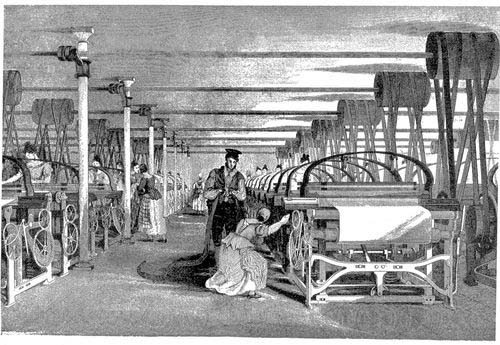




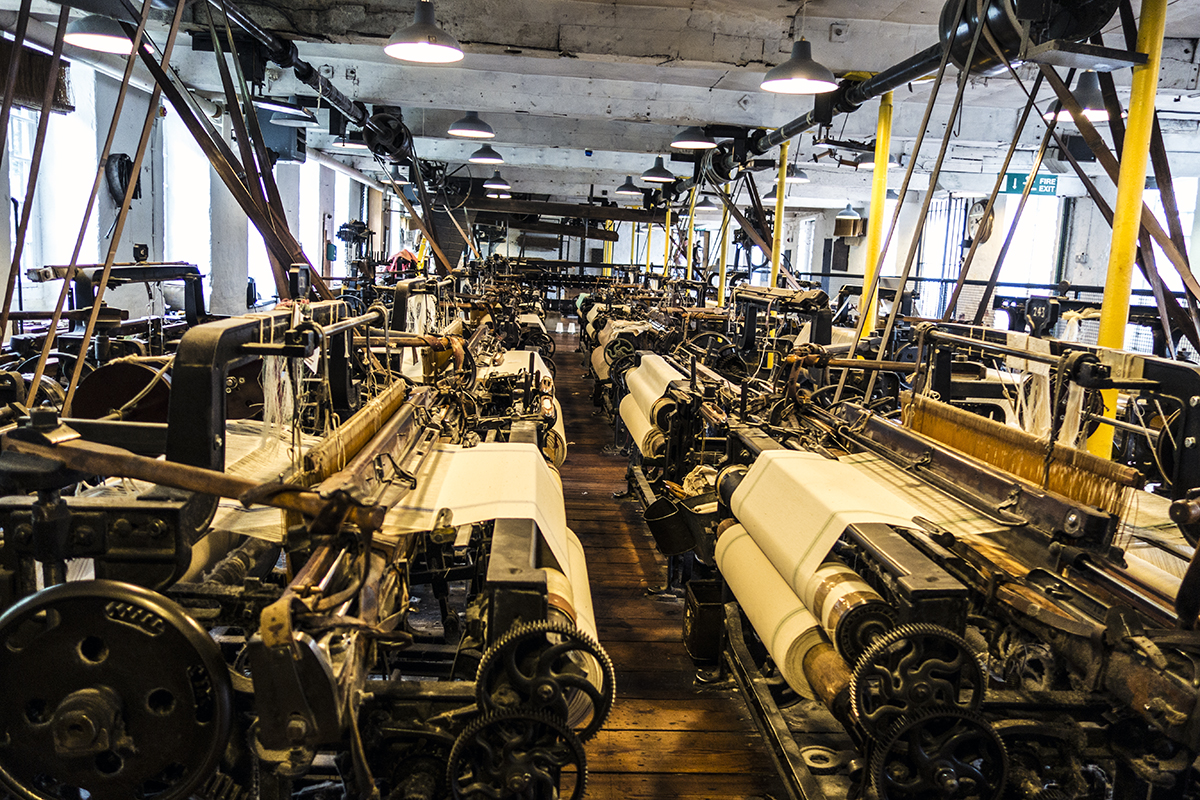
The original meaning of the word factory was “trading station” - the place of work of a company’s factors. The change took place in the nineteenth century when cotton manufacturers became known by the shortened form. The prototype of this “modern” factory was the Derby Silk Mill, built in 1718 for the Lombe Brothers.

Between the reigns of George III and William IV, England underwent a massive change from an agricultural country to an industrial  one spurred by the Industrial Revolution. Many of our ancestors also changed too in the post-Industrial Revolution period between 1820 and the 1880s They experienced a rapidly changing economy and were influenced by the Victorian obsession of innovation and invention, all of which significantly changed our ancestors’ lives..

Innovation and invention

There were large population shifts from the rural south and east to the north and the Midlands industrial powerhouse. Scottish and Irish workers also came to England find work. Families who had lived in tranquil but often troublesome rural economies moved to live closer together in overcrowded urban areas, no longer working together as families but as a skilled and unskilled labour force in factories, mills and mines. Work became more specialised; new skills were learnt and many of the old ones were lost in the process.. Labour became more mobile and higher standards of living were supposedly available.

Increases in labour, land use and enterprise had to be coordinated. Innovative industrialists saw to this – or did they? There were two extremes in industry - those factory owners who exploited their workforce purely for their own riches and those who took positive steps to try and improve the quality of life for their workforce. Those who heavily exploited labour in their factories employed large numbers of women and children because it cost less to employ them as opposed to employing men.

Industrialisation happened rapidly because of the development of new innovations. Inventions such as the spinning jenny, the water frame, the steam engine and locomotives all appeared in a very short period of time.


The migrating workforce

To try and alleviate poverty, the Poor Law Boards of Guardians actively encouraged migration of families from the rural to industrial areas; they made the move sound attractive by offering various incentives, if not promises, sometimes up to double the wages that were available to rural labourers. The Board of Guardians'' minute books of each Poor Law Union should give details of such movements and name the families who moved. Little did people realise that they were moving to areas of slums, disease and exploitation where many were required to slave away in dimly lit, dust ridden factories for very long hours. Their welfare was unimportant to many factory owners resulting in many work-related accidents, illnesses and deaths from new-found killer diseases induced by dust, toxins and just sheer exhaustion. Water was the biggest disease-carrier of the industrial world. Factories dumped waste into the rivers and these same rivers supplied homes with water for cooking and washing.

Most slums had open sewers that flowed to the rivers as well.  As a result, one of the main causes of death was rapidly spreading cholera epidemics. In an age where the working man had very few rights and little say on the political front, public health issues were overlooked because they rarely affected the electorate who were the wealthy industrialists.

Workforce migration occurred principally because of the decline in agriculture with wealthy landowners reinvesting their wealth in profitable industry and running down their landed estates. Industrialists established their mills and factories in locations where there was availability of raw materials, easy access to power sources and a good transport system for both raw materials and finished goods.

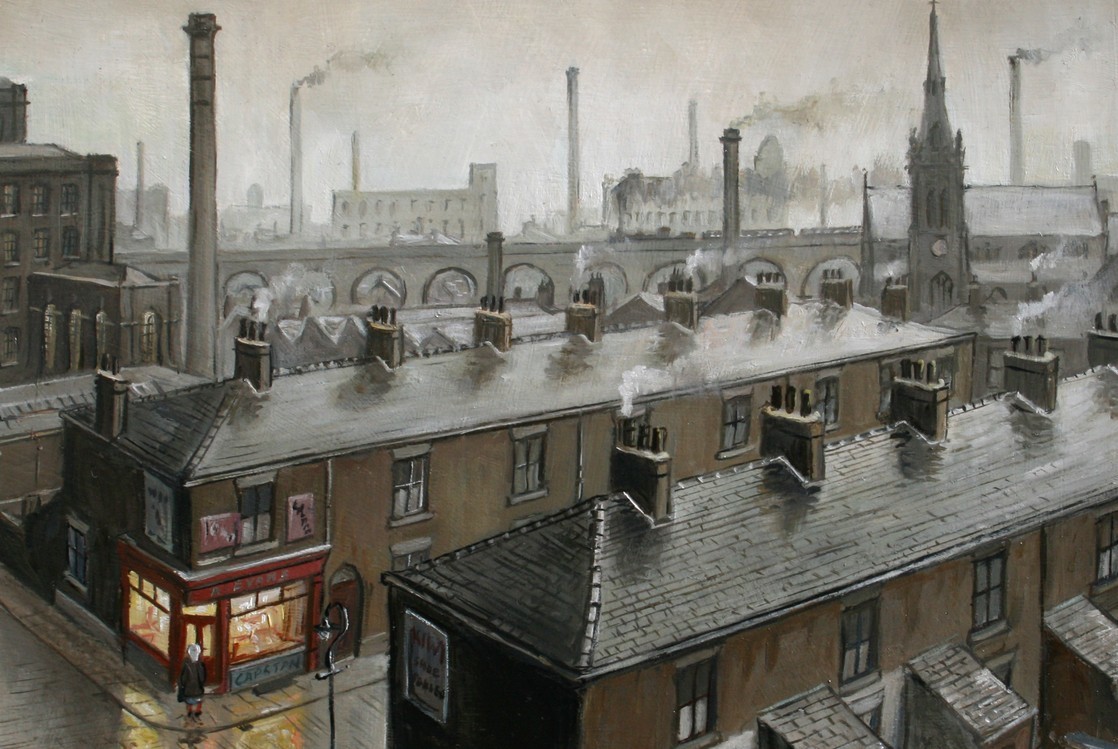
Throughout England and Wales, cities were populated to overflowing and the existing infrastructure could not cope with such a great increase - living conditions verged on appalling. People inhabited already overcrowded houses where individual rooms were often let to whole families. Factory workers' houses were often built using sub-standard materials. A whole row of houses would share a single water standpipe and a couple of outside privies. In many industrial cities, houses were small “back-to-back” two-up two-down properties in narrow streets. Putrid smoke belching out of factory chimneys blanketed the streets. Conditions did not improve until the mid to ate nineteenth century and then only very slowly following the introduction of the various factory and public health Acts.


The workers plight

Migration did nothing to ease an over-abundant urban labour supply. Those who were skilled, or became so, made substantial gains, however, most were unskilled and could not hope to rise above a low subsistence standard. Although wages were higher in industrial areas, it was also more expensive to live in urban areas than in the countryside. Irrespective of the manufacturing process workers were engaged in, they all faced the same challenges. Conditions endured by workers everywhere were much the same - long hours, strict discipline, little attention paid to safety and polluted working environments.

Most factories were very dangerous places in which to work. Often sadistic cruelty, particularly to women and children, occurred at the hands of the factory overseer. He was responsible for maintaining production and many did this by instilling fear and inflicting pain. They thought nothing of beating their workers to keep them awake during the long day, refusing them meal breaks if they disobeyed the regulations and not considering their safety.

When machinery broke down or needed maintenance, because of their small stature, children were forced to repair or replace parts in the heart of machinery whilst production continued. Those who questioned the overseer's authority or supported the victims were usually instantly dismissed or had their already meagre pittance stopped. The overseer was also revered by the factory owners, so they did nothing to see fair play or intervene if someone felt they had been unjustly treated.

Many individuals would be left disabled from accidents, beatings or disease and as such were unable to work. Factory logs and day books usually give useful details. There were few safeguards to prevent them and their families from descending into destitution.

It was normal for workers to labour for twelve to fifteen hours or more, six days a week in hot and physically exhausting workplaces. Life for women and children was particularly difficult. Until the early 1800s, there was no legislation regulating working conditions in factories. As industrialisation grew, the owners did not want to pay high wages because their factories became less profitable and were often unable to compete in the markets, so they frequently employed children as young as eight or nine years old. Most working-class families could not afford to educate their children and were willing to allow their children to work because they needed the income.

Some parents were unwilling to allow their children to work in factories and in order to maintain a cheap labour supply, children were often bought from workhouses and orphanages, usually as pauper apprentices. Local workhouse records may include an apprenticeship register giving full details. Apprentices in effect became the property of the factory owners. Samuel Gregg of Quarry Bank Mill, Styal, housed ninety in his “apprentice house” which cost him £300 to build, whereas to build a “back-to-back” for one family of workers cost him £100.

Women factory or mill workers were expected to work under similar conditions but they also faced the demands to have children. The industrial age gave rise to a rapid increase in birth rates which had a direct effect on the physical capabilities of the women. Most women worked right up until the time of birth and restarted immediately after bthe child had been born. A good insight into conditions of women and children is recorded in select committee records. Your ancestor may have been one of those interviewed.
 

Well looked after

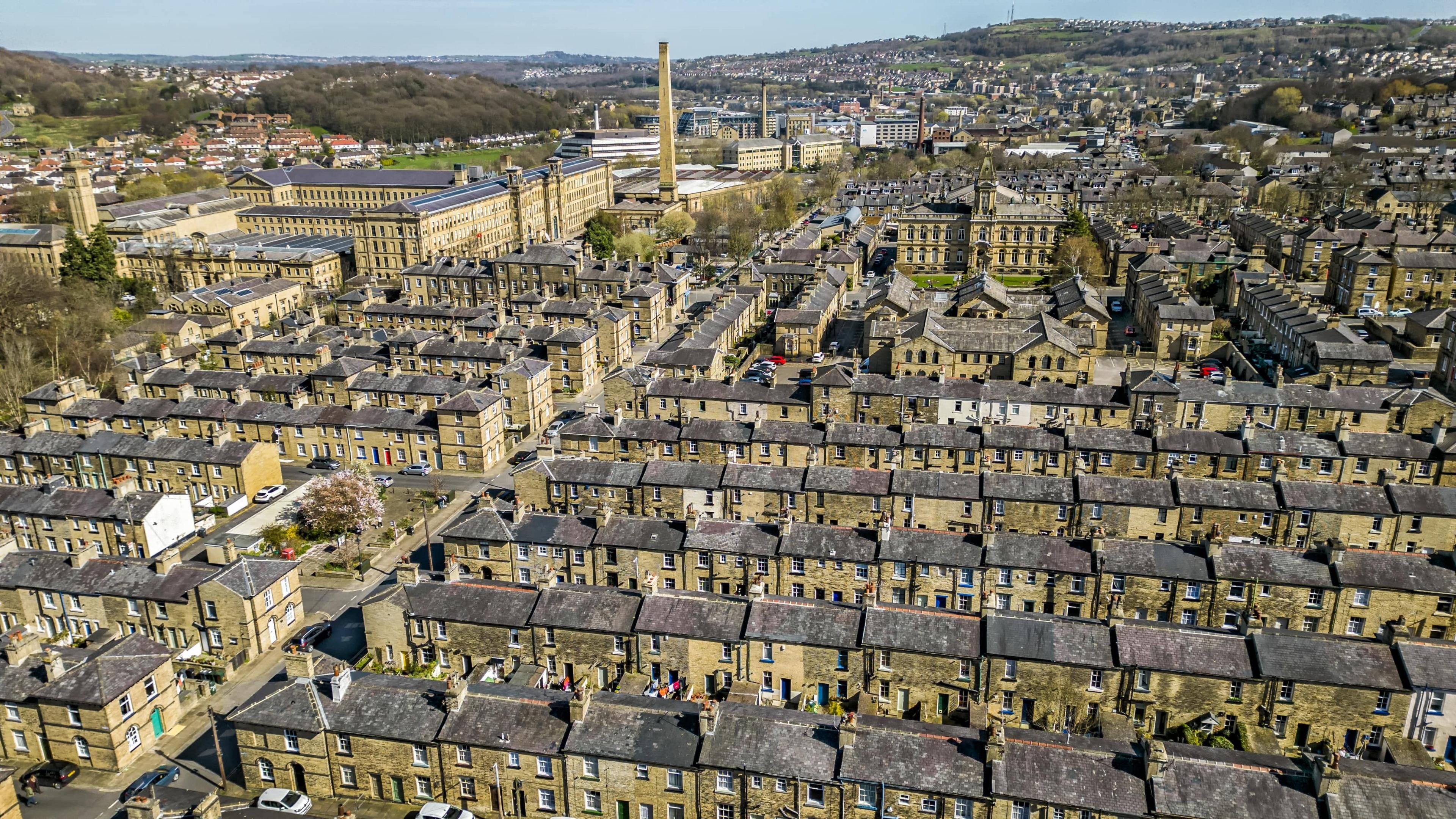
Thankfully, not all factory owners exploited their workforce. At the other end of the scale some built new towns to house their workers around their workplaces. Whole new towns like Port Sunlight and Saltaire which was built in the 1850s by Sir Titus Salt, a wealthy mill owner of Bradford and included parks, hospital, school, library and almshouses for the elderly or ill. These had wide roads and good sanitation and most houses also had gardens.

Bournville was established by Richard Cadbury and his housing reformer brother George on a 120-acre site next to their chocolate and cocoa factory on the outskirts of Birmingham. This new settlement again enjoying airiness and a pleasant living environment with all amenities.

Coalbrookdale was developed by Abraham Darby, as the iron capital, albeit not on such a grand scale but still providing facilities for his workers.


Factory health and morals

Government intervention in improving the working conditions in factories only occurred after mounting criticism, and the measures intended to regulate them were introduced slowly. The first Act of 1802 was aimed only at apprentices in the cotton and woollen mills and was called the Factory Health and Morals Act. The regulations stated that ventilation should be provided, work should be for a maximum of twelve hours a day, basic education was a child’s right and separate sleeping accommodation was to be provided nfor males and females.

The 1833 Act attempted to establish a normal working day, commencing at 5.30am and ceasing at 8.30pm. It also made it illegal for children under the age of nine to work. Children under eleven years age were to receive two hours of education each day and it prevented them working through the night.

A factory inspectorate was also established to enforce the regulations. Their records are at The National Archives in series LAB15. In the history of legislation, the 1844 Act was perhaps the most important. No child could work for a whole day. They either worked mornings or afternoons for a maximum of ten hours. Factory inspectors were given wider powers and a register had to be kept of all children and young persons. Certificates of school attendance were also required. An amendment in 1847 restricted working hours to sixty-three per week, reducing in May 1848 to fifty-eight. Saturday afternoons from 2pm were given off so effectively this reduced the working day to ten hours.

The Factory Extension Act of 1847 made provision for a restriction on working hours of women and children in all industries, not just textiles and extended inspection to all industries. Improvements in safety did not really occur until the 1891 Act which required machinery to be adequately fenced.  This Act also raised the minimum employment age to eleven and prevented women returning to work within four weeks of childbirth.

With the introduction of the various legislation, many parents lied about the age of their children so the family was not deprived of a source of income. Undoubtedly, under-age working existed which would not have been as easy to remain undetected after the introduction of birth registration and the census returns when ages could be checked.


Researching factory workers

It is important to know where your ancestor worked in order to locate the business records of the company concerned. As legislation increased, so did the paperwork associated with it. More information should be available for the mid to late nineteenth century than for earlier times. Most company records, including staff wages' books, registers of children workers and factory log and day books are held in county record offices in which the factory was located. Some larger companies which are still in existence (or their successors) may retain the records in their own company archive. These are essentially private archives, but most are helpful in providing information.

If you are not certain about who your ancestor worked for, a search of the census records should give further clues as most workers lived close to the factory, often in factory-owned houses. Trades Union records should also be searched.

The records of the Factory inspectorate will give first-hand accounts of conditions in factories and, whilst not necessarily mentioning your ancestor by name, will give you useful information. Many workers also gave information to the various select committees and commissions set up to investigate working conditions. They are named and the information they provided was from their own lips.

On a final note – if your ancestor worked in a small, specialised trade, located in a certain geographical location, then your search will be much easier.


This article was contributed by Ian Waller from Family History Federation.
Website by Beachshore