Research of online resources and a visit to The National Archives at Kew are essential starting points. The amount of material available to research is vast, so the chance of tracing a particular person depends upon the information you already know. Information may be vague and sparse; you may only know your ancestor ended up in a particular country, so it is important to examine facts, separate them from the myths and then look for official records. Searching online datasets or indexes by name may present you with a long list of people with the same name and age as your ancestor. If you find it difficult to establish which is your ancestor, consider contacting family history societies in the destination country. It is well worth doing as many have produced databases of immigrant ancestors as well as informative websites.
Modern passenger lists run from 1890 and are available to search using www.findmypast.co.uk. These relate to passengers leaving Britain for destinations outside Europe and the Mediterranean area. They contain some useful personal information but give no indication about how long the passenger intended to remain abroad. For earlier periods prior to 1890, the records of passengers are scattered amongst other records - and some do not even survive for the period 1776 to 1889, even where entry lists can be found in destination ports.
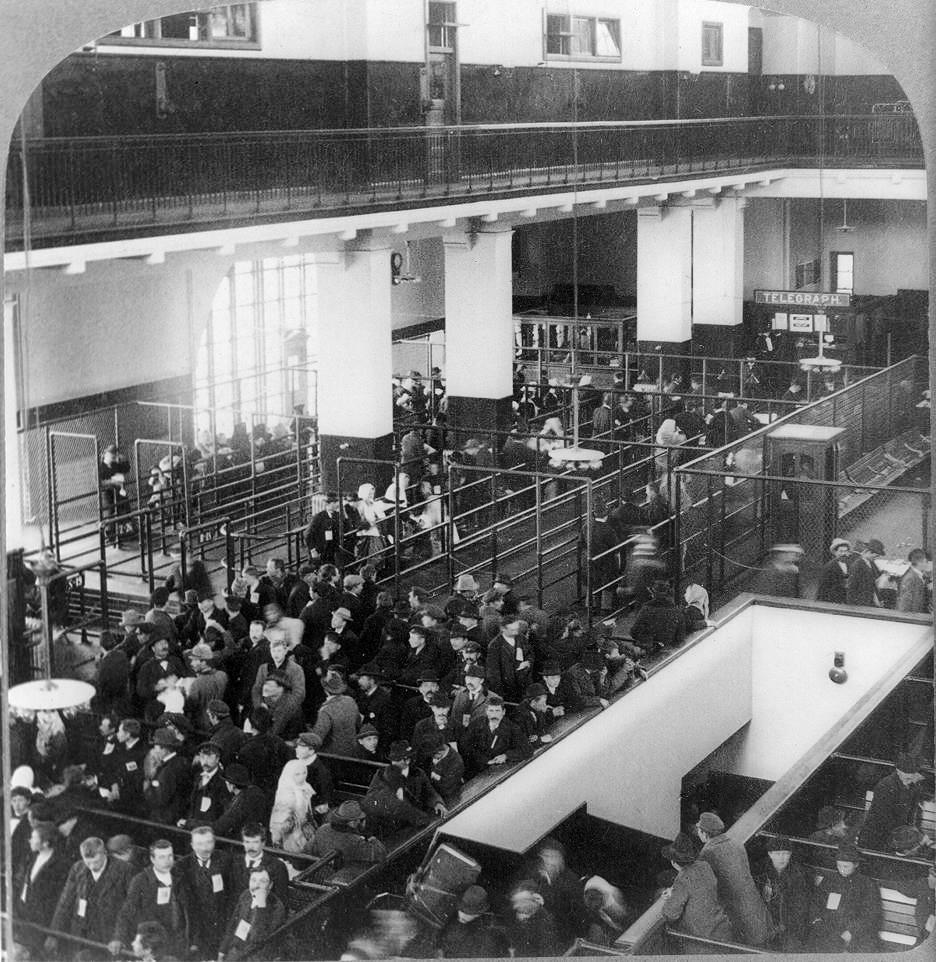
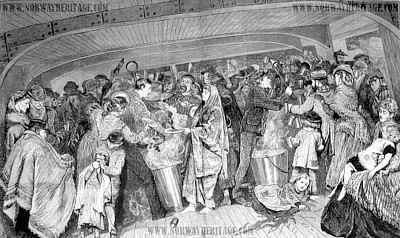
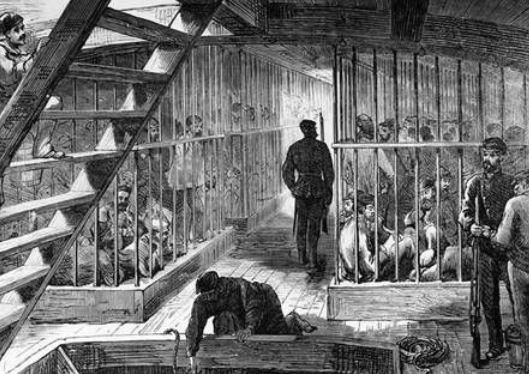
Liverpool and London were the busiest emigration ports. Prominent shipping lines such as P&O, Cunard and White Star provided both passenger and mail services between the 1840s and 1930s, mostly transatlantic. Fares were cheap although steerage meant overcrowded conditions often resulting in deaths from diseases. Cunard and White Star passenger lists, although incomplete, are held at the University of Liverpool archives and can be supplemented by the wealth of diaries, family papers and other documents held by the Merseyside Maritime Archive.
Always check for vital events (births, marriages and deaths) relating to British nationals which took place whilst at sea and in foreign countries. These may be found in records maintained by the Registrar General in this country particularly the military, consular and high commission returns. Indexes can be searched on www.findmypast.co.uk and certificates obtained from the GRO. The National Archives also hold a series of registers relating to events abroad. These are in classes RG32-36 which are partially indexed in RG43.
Passports were not compulsory until 1915; it was rare for emigrants to apply for or hold a passport. However, do not ignore this source. Indexes of applicants can be found on www.findmypast.co.uk and at Kew covering the years from 1851 to 1916. The registers in FO610, organised chronologically, show applicant details and destination. Other Foreign Office classes relate to passports to specific countries including China and Mexico. Really early records such as the Licences to Pass Beyond the Sea date from the late 1500s and are in series E157 at the National Archives. The series includes several registers which cover passengers going to New England, Barbados and other colonies in the first part of the seventeenth century.
Another useful source relates to Colonial Office Emigration correspondence for the period 1817-1896. These contain letters from people who had settled and also those who intended to settle in many of Britain’s colonies. They are especially useful for finding information within the papers of the Land and Emigration Commission.
Several other government department records contain details and correspondence about British emigrants all over the world. The Privy Council, the Treasury and the Audit Office all had a role to play particularly where pensions, allowances or other money matters were concerned.
As part of initial research it is essential to consider probate records. In a will of 1719, proved in 1722 in the Prerogative Court of Canterbury (PCC), John Hampton of Maryland Virginia leaves two thirds of my money in Europe to Robert Hampton, merchant, Londonderry. This fact provides a positive link which would not have been found, had you not looked at the will. There is a useful publication entitled American wills proved in London held at the Society of Genealogists which also holds some published information about bonded passengers to America.
Finally, local provincial newspapers, colonial newspapers and official journals including the Gentleman’s Magazine should always be searched as many contain obituaries and biographical details of those who resided overseas.