Between 1815 and the start of the First World War, emigration from Britain far exceeded immigration with around ten million people choosing the better life abroad. During the Victorian era in particular, Britain had the highest emigration rate in Europe alongside those from Ireland and Scandinavian countries.

Reasons for emigration

Emigration was at its highest between 1830 and 1850 and during the Edwardian period, statistics show there were more Scottish emigrants than those from England and Wales. Over half of those emigrating settled in the United States of America, the rest settling in Australia, Canada, South Africa and New Zealand. A small number also settled in India, British Caribbean and some South American countries. In the early twentieth century, the direction of emigration changed from the USA to Canada and Australia.

During the first half of the nineteenth century, British emigrants from rural areas emigrated as whole families; thus they were mainly yeoman farmers, agricultural labourers or skilled rural artisans and craftsmen. However, in the second half of the nineteenth century, many emigrants came from urban areas, perhaps having previously migrated from the rural locations as there is evidence to suggest that many were young, single male labourers and agricultural workers. Some of these emigrants ultimately returned to Britain.

Emigration was primarily driven by the prospect of higher incomes and a better life abroad. However, when deciding whether to emigrate and where to, families had to think about where their families and friends were located and above all the costs of doing so. Although various emigration schemes existed, it is known that most emigrants of the period were self-financing and travelled without assistance. It has been estimated that less than ten per cent of emigration was fund-assisted perhaps with the exception of the Church of Jesus Christ of Latter-Day Saint emigrants because the church set up a scheme known as the Perpetual Emigration Fund. Notwithstanding this, for those who emigrated to New Zealand and Australia, assisted passages were more important and programmes including free and nominated passage in certain circumstances were popular.

Emigration was often promoted politically as the answer to two major problems in Britian - overpopulation and unemployment. Emigration became the safety valve through which Britain could ease both of these problems.

Strategy for researching emigrating ancestors

When family historians research emigration, they mainly focus on locating ships’ passenger lists to determine the name of the ship on which ancestors sailed and the dates of departure from British ports and arrival in the new country.  But emigration starts much earlier and very often needs more local research. 

There are many overlooked aspects of their journey which include their motivation for emigrating, often locally generated, making their preparations, usually through an agent (although those records are often ignored), leaving home for the last time, how long before their embarkation they arrived at the port of departure, their voyage and life onboard the ship for which there are normally records to research.

Those with specialist skills

In the mid-nineteenth century, when most people emigrated interest in the various colonies and the perceived opportunities offered were in complete contrast with their home circumstances which were often ingrained with hardships and, for many, lack of hope. Many left Britian in the hope of escaping continual poverty and the associated employment challenges. Many were motivated by family and friends already settled elsewhere and some emigrated just as an adventure.  For some emigrating did not work out.

The lure of the gold rush

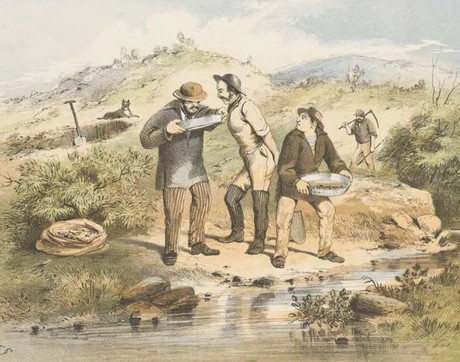
In the 1850s the lure of the goldrush attracted tens of thousands of people, hoping to find their fortune. Many others responded to government assistance schemes designed to populate the colonies and to provide a labour force. For the majority of emigrants, the motivation that underpinned emigration was still a sense of hope. However, for many finding a fortune just did not happen.

Preparing to leave Britain.

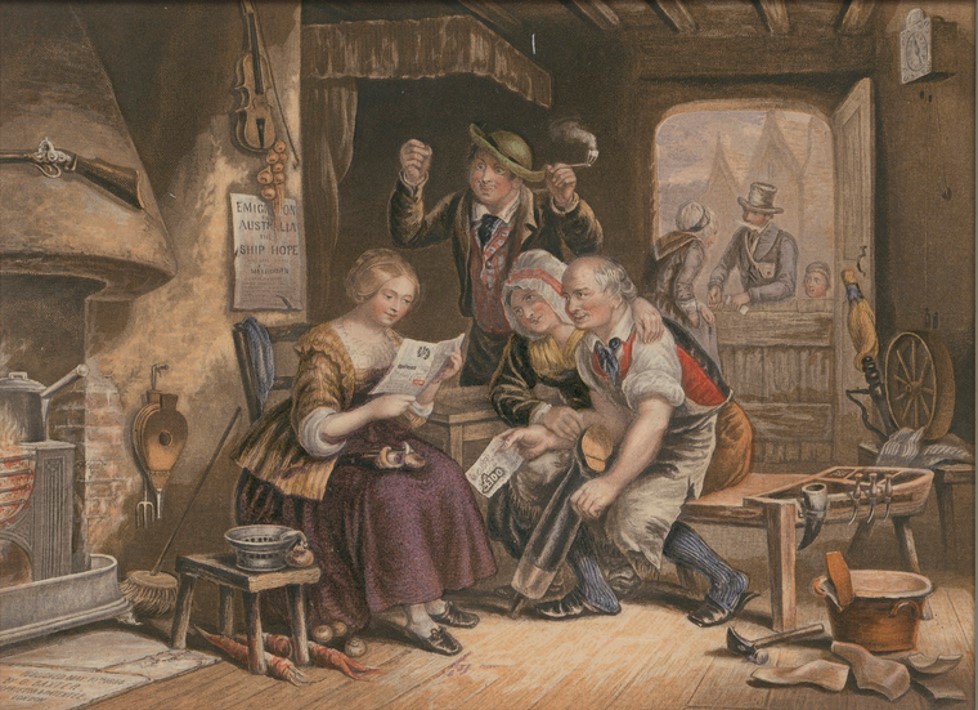
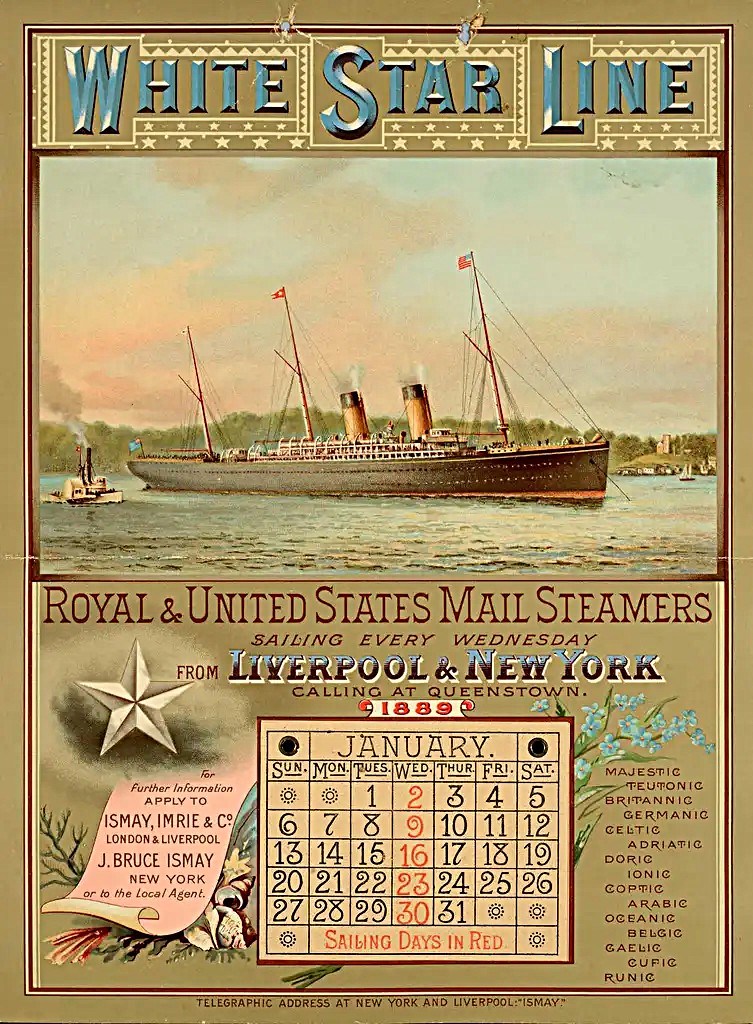
It was a major undertking for prospective emigrants to leave their home, but once a family had decided to emigrate, various things had to be done. The most important thing was to find a passage on a ship to the destination country. Emigrants were informed about their options in different ways, often by emigration agents visiting the area or by numerous posters or leaflets advertising voyages and selling shipping lines or even specific ships.

Emigration agents provided a number of services besides organising the passage. They gave advice regarding luggage and provisions and even arranged transportation to the departure port. Most also provided an Emigrant Guide containing detailed advice from preparing for the journey to adjusting to an often monotonous or boring voyage on board the ship. The guides covered everything from what supplies and clothing were needed, pastimes and etiquette and routine whilst on the voyage.

Emigrants who funded the cost of their own voyages usually organised their passage independently but other emigrants applied for one of the government assisted emigrant schemes which helped populate an overseas country and almost guaranteed a job on arrival; some even enticed emigrants with the help of land grants.

Once a passage was organised, emigrants would prepare for their impending journey; they would have been given a date of sailing and the port of departure. For poorer emigrants with few possessions and no property, there was little to do, but those who owned property or ran a business had to finalise these before leaving as many needed the cash to take with them.

Perhaps the most traumatic part of the journey was the farewell to family and friends. Emotions including those of anticipation, expectations, anxiety and excitement were often expressed and sometimes described in family diaries or letters.

Once at the port, some of the emigrants would be able to afford private accommodation but many would sleep at the dock, sometimes for a few days before departure. For the assisted emigrants, the Emigration Depot was the gathering point before their voyage and they would lodge there until departure.


Routines on the voyage

On most emigration voyages there were different classes of accommodation available - saloon, cabin and steerage. First-class passengers had cabins with intermediate cabins at the rear of the main deck. Steerage passengers were the worse off with their accommodation “between decks” which were usually cramped and somewhat noisy.

Single men and women were kept separate with women housed in one area while single men had hammocks towards the back of the ship. Married couples and families were in-between. Steerage passengers which included those who were assisted emigrants were usually divided into messes of around ten people with a mess captain nominated who would keep order in the mess and distribute food.

Passengers were required to stow their bedding and their space had to be kept dry and clean to avoid diseases. . It was not unusual for the men to help clean the decks, keep watch or be involved with other ships' duties. Meals for steerage passengers were basic but the second-class passengers had bigger quantities of food. First-class passengers faired best because they had fresh produce and preserved goods.

The emigrant journey particularly to New Zealand and Australia was often monotonous so to avoid getting bored, they undertook an exercise regime and were encouraged to spend time on deck where music and dancing was a regular feature of on board entertainment Other shipboard activities also took place but due to inclement weather, passengers were often confined to time below deck.

Many emigrants kept a daily diary of the voyage and some of them also produced shipboard newsletters which detailed events on board such as births or deaths as well as indicating the weather conditions experienced.

Many of these are found within family papers and archives but some have also found their way into the local archives in the destination countries. A search of shipping company archives will also provide information on the routes taken and also allow access to ships' logs, which although mainly navigational do contain gems of information.

For most of our ancestors, their records continue within the archives of their destination country and availability depends on local circumstances and what has survived. 

This article was contributed by Ian Waller from Family History Federation.
Website by Beachshore