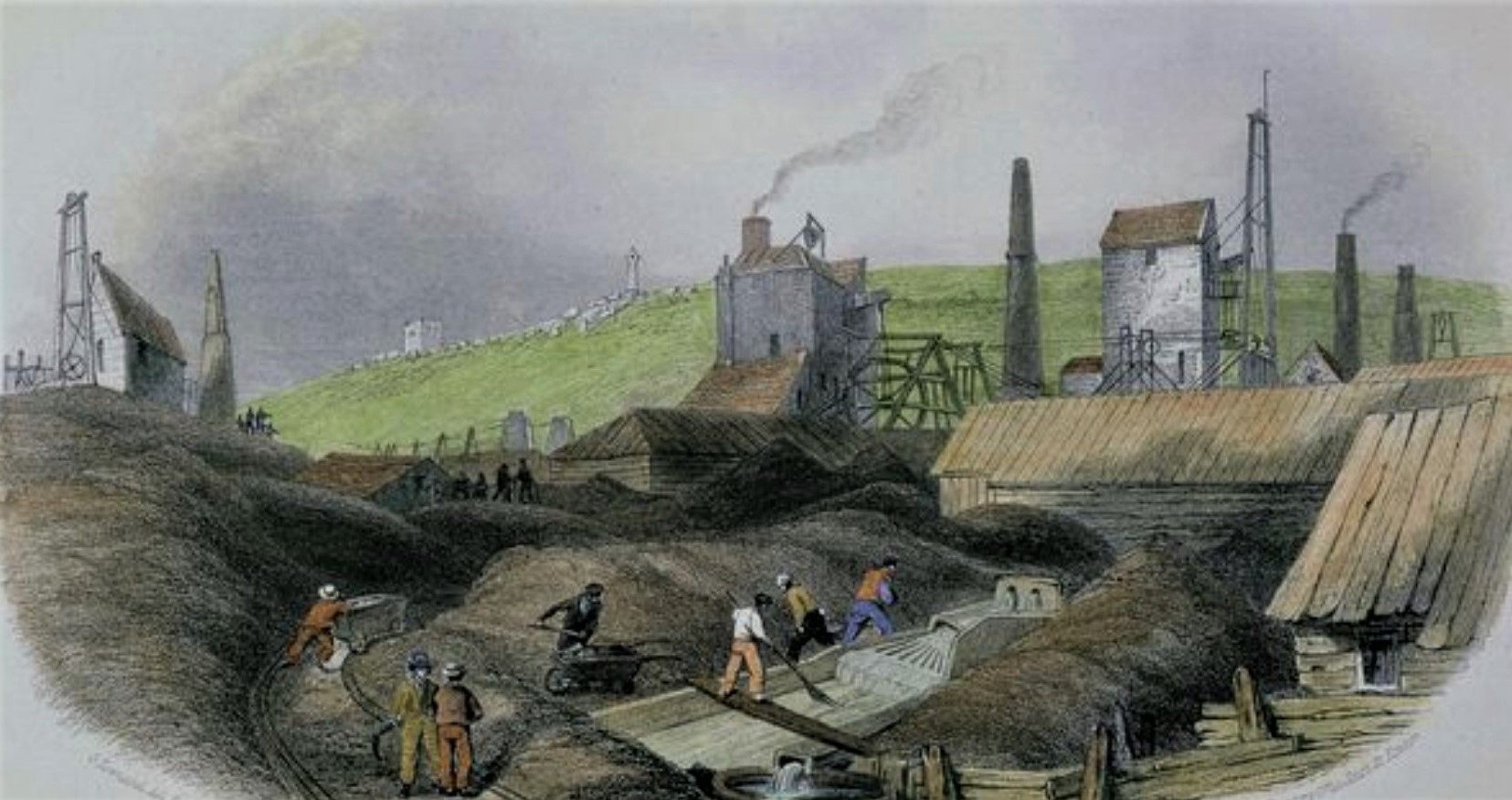
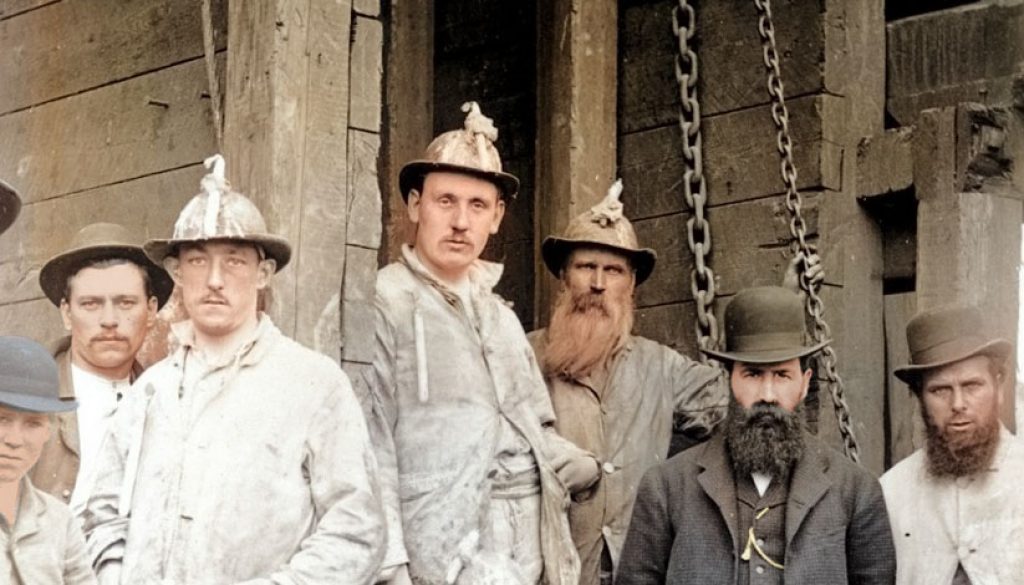
Between the 1820s and the First World War, Cornish miners emigrated to the new mining areas in America, Australia and South Africa. They became known by the nickname Cousin Jack. The term became a badge of honour for highly skilled miners who established Cornish communities in their new lands. Cornwall lost around a third of its population because of both migration and emigration of its miners. A high proportion of those who moved away were in the fifteen to twenty-five age group, both male and female.
Economic factors were the driving force behind the Cornish migration. By the mid-nineteenth century, the mining industry in Cornwall was in decline. Copper deposits were running outand this was not helped by the price of copper crashing in 1866.
Cornish miners were quick to embrace the opportunities provided by the discovery of gold, silver and copper in foreign climes. The Cornish expertise in mining was highly valued. Emigrating offered better pay and conditions, and the opportunity to rise to a position of responsibility. At the time, the Cornish were also at the forefront of mining technology, innovation, and Cornish-built machinery had been exported since the early 1800s. This export of technology paved the way for the miners, as skilled men, to both install and operate the machinery.
Agents represented the foreign mining companies with the aim of recruiting employees from the Cornish mines. Locally held lectures were held to promote the advantages and benefits of the foreign ventures to the hard-pressed miners.
The Cornish economy profited from the miners’ working abroad too. Miners sent money home which sustained their families, helping to avoid the workhouse. Some of the miners eventually returned home using the money they had earned to invest in the local mines, purchase land or establish businesses themselves, ultimately helping to revitalise the local economy. Some also invested in local hospitals and educational facilities.
As well as mining skills, the Cornish emigrants imparted their culture and way of life wherever they set down their roots. They lived in tight-knit communities and kept in contact with both the people and customs of their native land. Cornish Methodist chapels were constructed, pasties and saffron cakes became well-known to the natives and the sound of brass bands and Cornish music were evident wherever the Cornish settled. The global mining industry was influenced by Cornish miners for almost a century.
Today there are thought to be over 6 million people of Cornish descent worldwide. The Cornish inhabited mining areas of Latin America in the 1820s and became the first hard-rock miners in the USA. They mined lead in Wisconsin and Illinois and copper in Michigan in the 1840s. They also mined lead in Norway in the 1830s together with copper in South Australia. The Cornish also settled in Spain in the lead-mining area of Linares, Andalucia. In the 1870s and 1880s, many settled in New Zealand following an immigration drive for skilled labour into the country.