Use the information given on birth, marriage or death certificates to work back in time. Some boating families did not register the births of all their children even after 1875. Where boat people registered events, particularly births, it may not have been where the actual birth took place. Many canal boatmen never formally married or did so after the birth of some or all of their children. Being a close community boat families tended to intermarry, legally or otherwise.
It was less easy to avoid death registration and very few escaped the system. Some deaths may have been registered in a different place to the death, particularly in the event of drowning whilst travelling. There would still be a coroner’s inquest so a record should exist. Very often a death or burial would be the only formal record of your ancestors' existence. For boat people who were so inclined drowning oneself in the canal was a popular method of suicide. Where bodies were found, they were usually taken to the local pub for the inquest and it also gave people the opportunity to identify who the deceased was.
Boatman cathedrals
Alternatively, parish registers record baptisms, marriages and burials will help. Most boat families would have their children baptised; the question is where? Often in the “canal cathedral” and burials often took place in family plots in a cemetery irrespective of place of death. When researching parish registers for boat families, think of the waterways they travelled along as their home ‘parish’. All Saints’ Church, Braunston, known as the boaters' cathedral was a popular venue for boaters' weddings from all over the country and many boaters were also buried there.
Census records
Census records provide a fascinating window into the live of canal families. Sometimes canal boats were ‘missed’ by census enumerators but where canal families had a house on land, some family members may have been at home while others were working the boat. Sometimes finding a family on the census may be challenging. If a narrow boat was moored, then the enumerator should have had a completed return, but if a narrowboat was on the move, the chances that the occupants were enumerated was usually low. However, it is unlikely that a boat would have missed enumeration for every census. Census returns, where they exist for boats, will also show the name of the boat your ancestor was on. The occupation description is sometimes misleading because enumerators were not always sure of the correct terminology.
Canal Company records
Until nationalisation canals were ran by private companies that employed boatmen, engineers, clerks, toll clerks, blacksmiths, navvies amongst others. Minute books, wage books, staff ledgers, pension books and rent rolls of a canal company are a valuable resource. The National Archives at Kew hold a large collection of canal company records. Use “Discovery” to find canal company records. Some British Waterways Board collections are also held at county record offices.
Waterways museums and archives
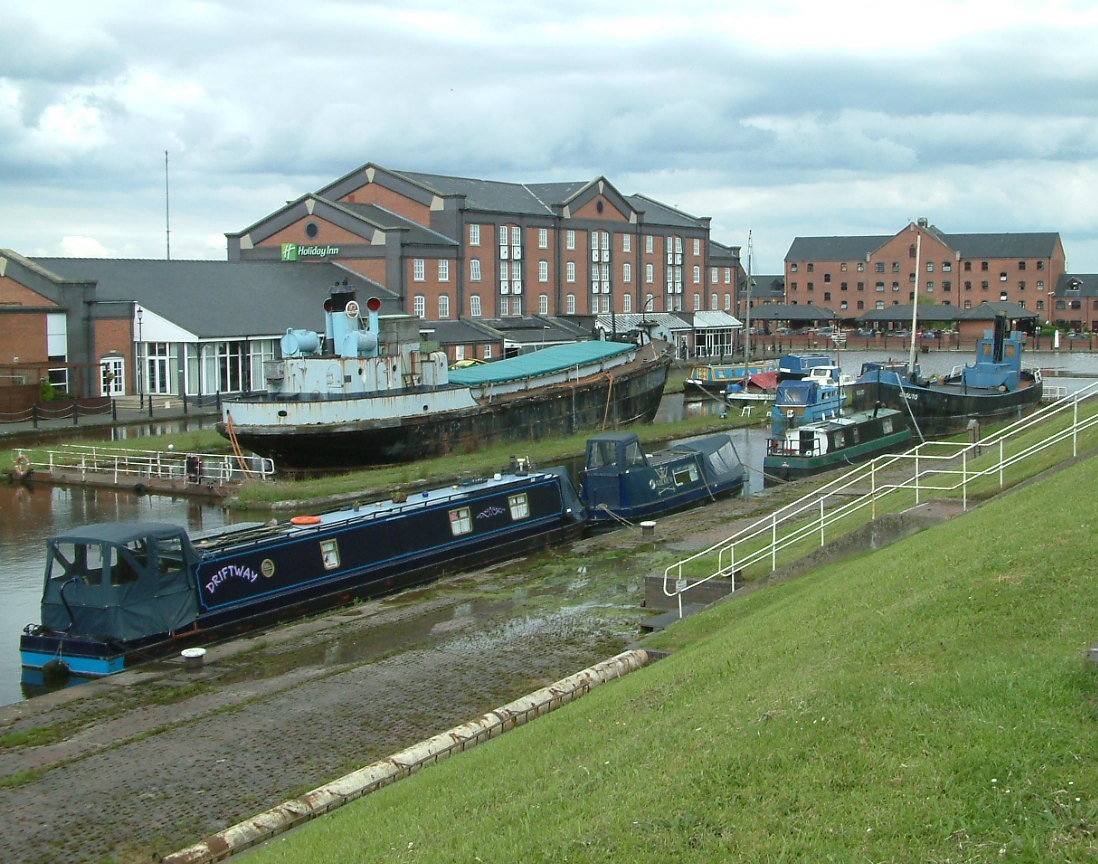
There are several waterways museums around the country which contain archive material and illustrate the canal era including The Gloucester Waterways Museum, The National Waterways Museum at Ellesmere Port and the Canal Museum at Stoke Bruerne in Northamptonshire. Each tend to reflect the history of their own particular area or canal system.
The Waterways Archive at Ellesmere Port holds many hundreds of documents and historic photos of canal boats and workers. The Waterways Archive at Gloucester has records of boat owners and registered boatmen, some toll records allowing you to associate a person with a boat and archives of large carrying companies and gauging tables which were kept by each Navigation Company.
Registration of canal boats and health registers
Health registers can also be helpful. After the Canal Boats Acts, local authorities kept registers of canal boats. Inspectors checked the boats regularly. The registers include owners’ addresses and journals record the number of adults and children on each boat usually with names. These registers are held at county record offices, although the Waterways Archive has a collection. There are also online databases of registers for some regions available through the Waterways Archive.
Register of boats and barges were kept from 1795; canal boats and barges had to be registered with their owner’s name by the Quarter Sessions. These registers where they exist are deposited at local record offices.
Magazines, journals and societies
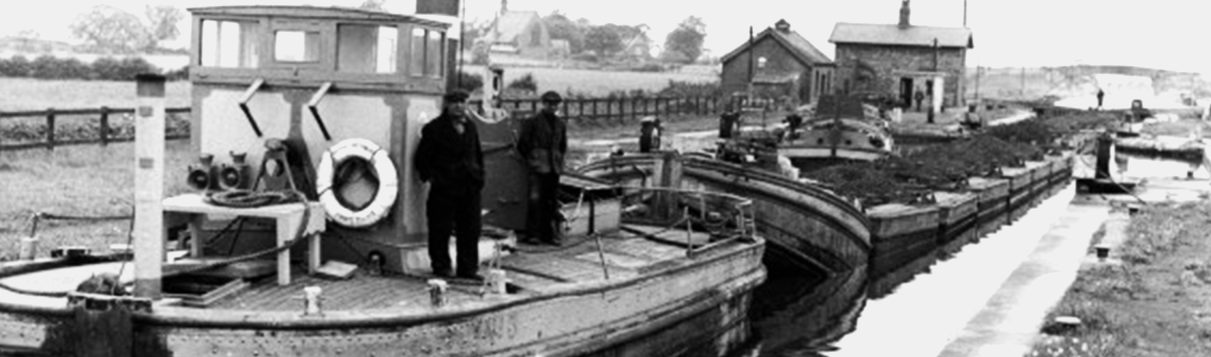
Magazines and journals like Narrowboat feature articles and photos of canal carriers and families on the historic working boats. They have also been various articles published on researching canal families. Old newspapers may have family notices or reports of accidents on the canals.
The Railway & Canal Historical Society has a useful and very informative website www.rchs.org.uk uniquely showing the connection between canals and railways.